Storing in a humid place: tips and solutions
Some storage locations have high humidity levels.
Why are some places particularly humid?
Cellars
Often buried and poorly ventilated, humidity can pass through walls and floors and remain permanently high.
Outdoor storage locations
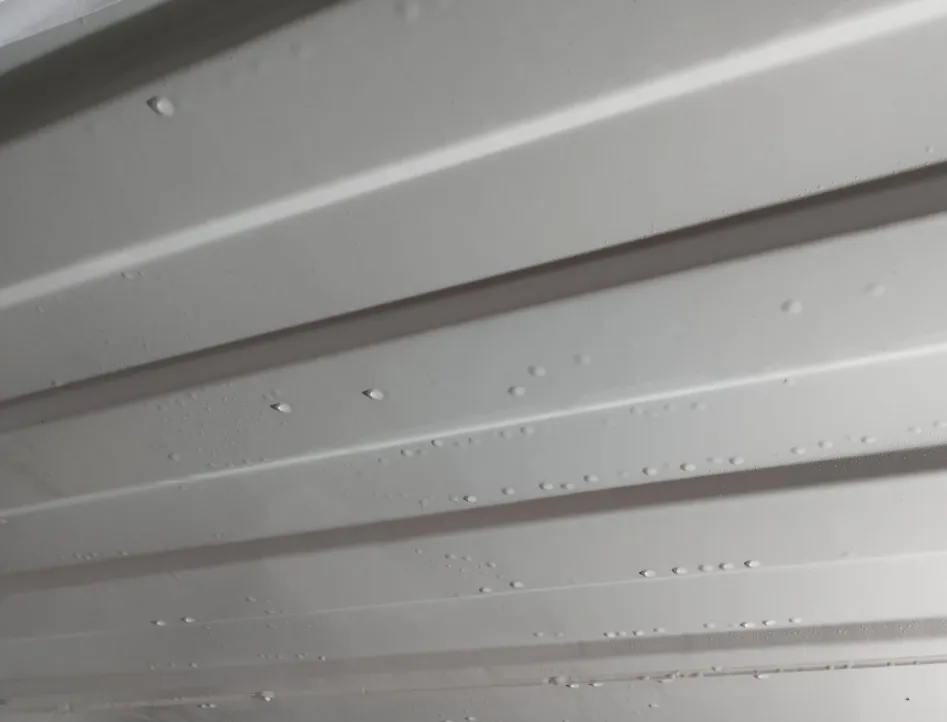
Poorly thermally insulated, they suffer from strong day/night temperature variations, causing condensation on ceilings or walls, especially in the morning. Examples: metal containers.
Risks for stored objects
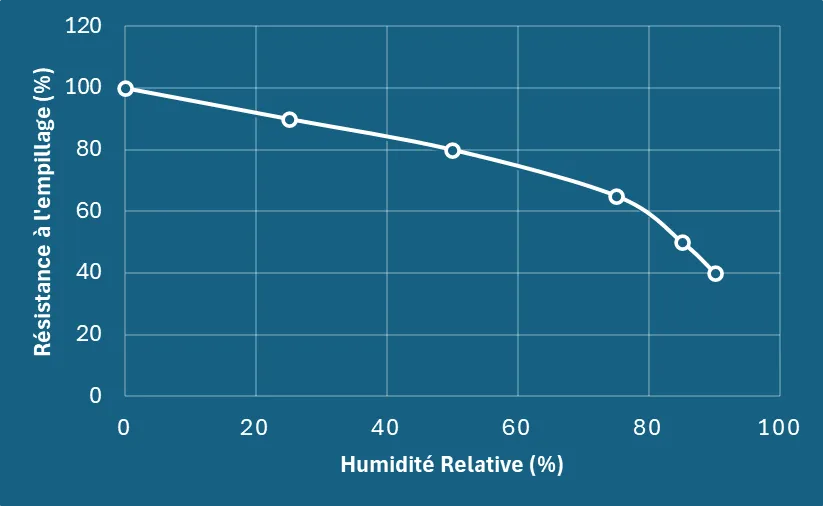
Products stored in humid environments can quickly deteriorate:
- Humidity damage and degradation
- Yellowed or curled paper
- Rusty metals
- Stains and warping on wooden furniture
Solutions for storing in a humid place
Permanent dehumidification
In places where humidity is constant (cellars, humid areas), it is recommended to use electric condensers or absorbent salts.
Storage in airtight containers
For fragile products (paper, textiles), choose airtight boxes. For maximum protection, place Air Sponge tape inside the boxes.
Protection against condensation peaks
In places subject to rapid temperature variations, such as containers, it is effective to place Air Sponge tape on the ceiling to absorb moisture as soon as it appears.
Summary
- Dehumidify rooms if necessary.
- Use airtight containers for sensitive products.
- Complete with Air Sponge for fast, reusable and maintenance-free protection.
Air Sponge: the durable and effective anti-humidity solution
- Infinitely reusable, without the need for regeneration by heating.
- 3-year warranty, for total peace of mind.
- Easy to install, even in spaces that are already full.
- Quickly absorbs moisture as soon as it appears, ideal for cellars, containers or humid areas.
With Air Sponge, you combine efficiency, economy and simplicity to store in a humid place without ever damaging your products.
So Sponge solution
Regulating humidity in a storage area
For containers, cabinets, warehouses and outdoor infrastructure, So Sponge offers the AS-C ribbon (large adsorbing surface) and the active AirSwing units. Passive or active solutions depending on volume, zero replacement, zero consumables, with 85-day field validation on EV chargers alongside a French EV charging operator.