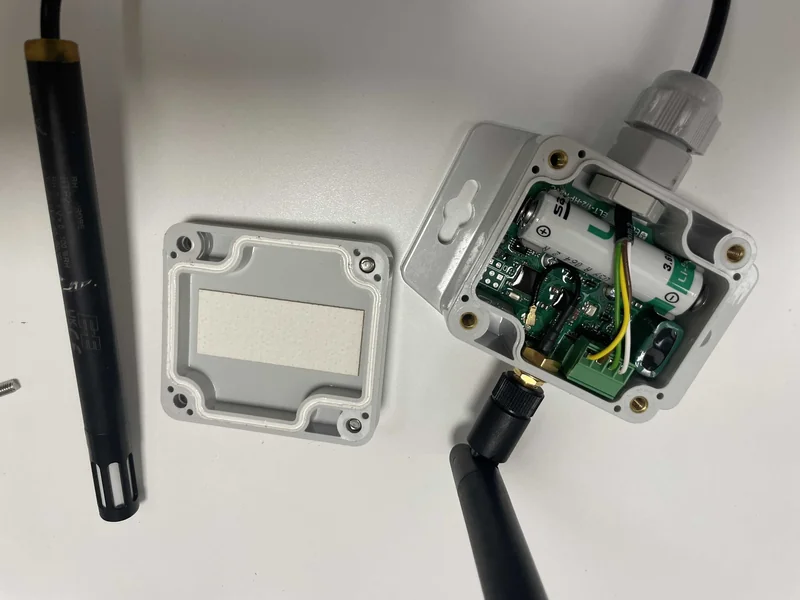
Outdoor IoT enclosure with exposed electronics

Applications

Anti-humidity and anti-condensation for IP65+ electronic enclosures

Passive anti-humidity and anti-condensation protection for IP65+ small and medium volume enclosures. Outdoor IoT sensors, CCTV cameras, weather and agricultural sensors, industrial instruments, machine vision, outdoor robotics, urban sensors, embedded electronics. Compatible with your membrane vents, or pressure-equalising vents. Zero energy, zero maintenance, unlimited lifetime.
The IP65 thermal breathing problem

Why do IP65+ enclosures suffer from condensation?

IP65-certified and higher enclosures protect electronic components from liquid water and dust, but they are not hermetic to water vapor. Day/night temperature variations create a thermal breathing phenomenon: humid air gradually penetrates, until reaching the dew point.

Corrosion

PCBs, connectors

Leakage current

Electrical failures

Optical fog

Cameras, sensors

Current solutions

Silica gel + membrane vent: the classic combination

Most IP65+ enclosure designers today combine two complementary solutions: a membrane vent, or pressure-equalising vent, and a silica gel pack inside the enclosure. Here is the role of each.

Silica gel pack

  • +Low unit cost (€0.10 - 0.30)
  • +Immediate installation
  • −Saturated within months — gradual loss of effectiveness
  • −Rarely replaced in practice on field-deployed equipment

Membrane vent

  • +Equalizes internal/external pressure
  • +Blocks liquid water, lets air through
  • •Not designed to manage humidity: it manages pressure
  • •Allows water vapor to pass through
  • •Price: €4-10 (common M12 vent, distributor catalogue prices, November 2026, excluding drilling and fitting)

Hygrostat + heater

  • +Keeps air above dew point
  • −Permanent power draw 10-400 W
  • −Electricity cost: ~€150-525/year/enclosure in EU
  • −Bulky (takes space inside enclosure)
  • −Electromechanical component = new failure point

→ The bottom line: none of the three current solutions combines passivity (zero energy), longevity (unlimited lifespan) and compactness (direct wall integration). That is what the AS-B Sticker does, and it complements your existing vent: the vent manages pressure, the sticker manages humidity.

The solution: self-regenerating SRD sticker

AS-B Sticker: passive and durable anti-condensation

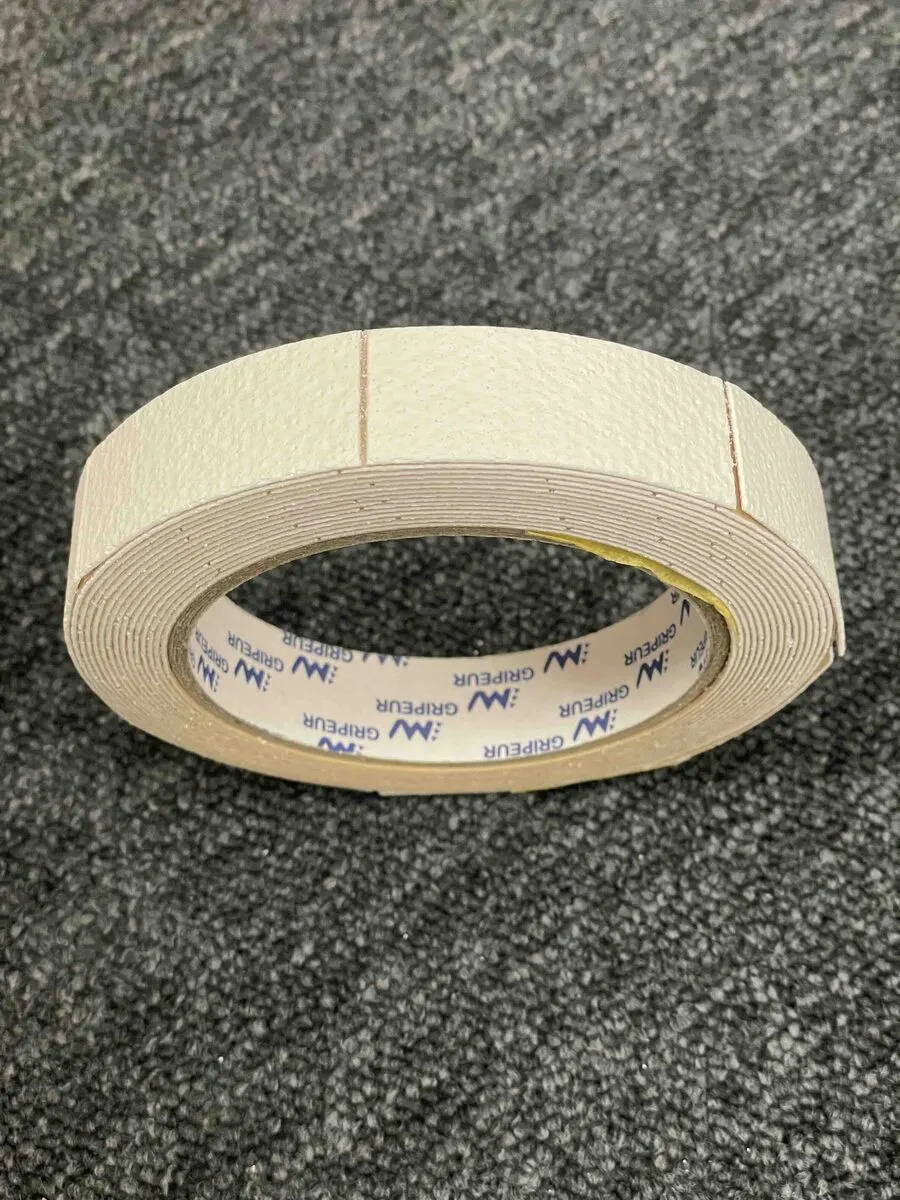
The AS-B sticker is a self-adhesive based on patented mesoporous SRD® material. It sticks directly on an internal wall of the enclosure and regulates humidity autonomously, with no energy or maintenance.

×6 the useful capacity of silica gel (> 60% RH zone)
Spontaneous regeneration — unlimited lifespan
Zero energy, zero maintenance
Compatible with your existing membrane vent
10-second installation
View AS-B Sticker product sheet
AS-B stickers

TCO and hidden cost

The real cost of humidity in IP65 outdoor enclosures

Internal condensation does not cause an enclosure to fail overnight. It generates a slow drift in the failure rate — and it is this drift that weighs on the TCO of deployed equipment fleets.

~40%

of environmental failures

in industrial sensors are linked to internal condensation and trapped humidity.

Sources: industrial diagnostics (Bosch, IFM, TE Connectivity)

€200-1,000

per field service intervention

Cost of an intervention on a deployed outdoor enclosure: travel, replacement, downtime.

Sources: PTC Field Service, SightCall

€150-525

/year electricity per enclosure (hygrostat)

Hygrostat + heater solution: 10-400 W permanent at €0.20/kWh (EU industrial rate).

Sources: Pfannenberg, Stego

→ For a fleet of IP65 outdoor enclosures deployed over 3 years:

  • With saturated silica gel pack: residual humidity-related failures vary strongly by sector — typically < 1% in rigorous IP65+ B2B OEM, but can reach 8-15% in outdoor agricultural environments and 15-25% in marine/offshore (sector analysis). Each avoided field service intervention = €200-1,000 saved.
  • With permanent hygrostat: €15,000-52,500 in electricity over 3 years + maintenance, for 100 enclosures
  • With So Sponge AS-B: ~€150-300 invested once for the lifespan of the fleet, zero recurring cost

For a personalized estimate on your fleet, use our AS-B ROI calculator.

Proof & validations

Tests and field validations

A selection of validated use cases in sealed enclosures: application context, test protocol and measured result. Most of these tests were run by the customer’s own engineering teams.

The two tests published in full:

A few of the typical sectors of application for the AS-B Sticker:

Looking for a solution for larger volumes? Outdoor telecom cabinets, automation cabinets, storage containers, EV chargers, industrial solar inverters. → See Applications Infrastructure & Storage

Going further

Guides related to IP65+ electronics

⭐ Pillar guide 2026

How to prevent condensation in electrical enclosures

5 humidity control methods compared with lab data (silica, membrane vent, hygrostat, Rosahl, SRD AS-B). Choice by volume + power, field case studies.

Read the full guide

Protect your electronic equipment

Discover the AS-B Sticker or contact us for a personalized study.

Frequently asked questions

How do you prevent condensation inside an IP65 electronic enclosure?
An IP65 enclosure blocks liquid water but not water vapor, which enters through thermal breathing during day/night cycles. To prevent internal condensation, internal relative humidity must stay below the dew point. The AS-B sticker, applied inside, adsorbs vapor above ~60% RH and regenerates spontaneously when the air dries out — no energy, no maintenance.
Does an IP65 rating protect against humidity?
No, not against water vapor. The IP rating (IEC 60529) qualifies sealing against solids and liquid water, never gases. An IP65, IP66 or IP67 enclosure still lets water vapor in through diffusion and thermal breathing, which then condenses inside on cold walls.
What is the difference between the AS-B sticker and a silica gel sachet?
Silica gel saturates within weeks and becomes inert, requiring replacement. The AS-B sticker's SRD material regenerates cyclically and never saturates — it offers 6x the useful capacity of silica gel in the risk zone (> 60% RH), with unlimited lifespan and zero maintenance.
Is the AS-B sticker compatible with a membrane vent?
Yes, the two are complementary. The vent equalizes pressure: it is not designed to manage humidity. The AS-B sticker captures excess vapor, holds it temporarily and releases it. With a vent, size with the simulator, which takes it into account.
Does the AS-B sticker need to be replaced?
No. Thanks to the spontaneous regeneration of the SRD material, the sticker never saturates and keeps its efficiency indefinitely. No replacement, no consumable, no waste.
How do you size the sticker to the enclosure volume?
The rule is simple: about one AS-B sticker (10 cm²) per litre of internal volume. Above 10 L, the AS-C sticker takes over. A precise calculator is available on the AS-B product page.

Ready to protect your enclosures?

See the shop & pricing →