How to store items away from humidity
How to store away from humidity?
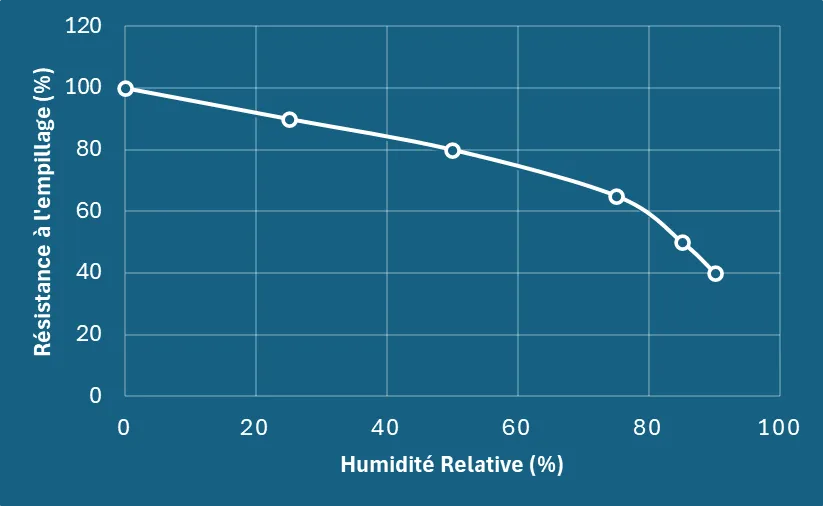
Humidity can damage a multitude of everyday objects:
- Paper and cardboard warp and turn yellow
- Textiles deteriorate
- Electrical devices oxidize
- Wooden furniture and objects swell and crack
In museums, showcases are equipped with humidity regulators or dehumidifying bags to ensure optimal preservation of the works. But how can you effectively protect your assets in a more traditional environment?
Choosing a suitable storage location
The first rule to avoid humidity is to choose a healthy and well-insulated location. Good storage space should be:
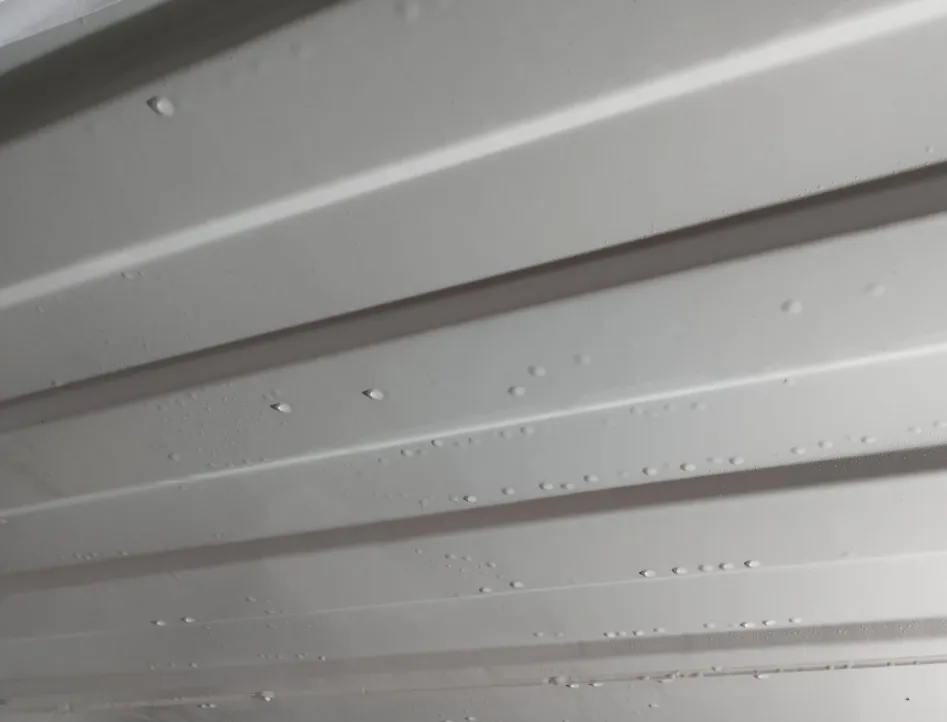
- Thermally insulated, to avoid temperature variations responsible for condensation.
- Properly ventilated, in order to ensure air renewal.
- Without direct contact with the ground, ideally on an insulating slab or pallets.
- Free of infiltrations, to prevent upwelling or leaks.
Tip: Install a humidity sensor to monitor the relative humidity level. A rate greater than 60% requires rapid action.
How to protect your belongings in a humid place?
When the storage room has high ambient humidity, it is recommended to use a moisture absorbent or a dehumidifier. These devices limit condensation and the proliferation of humidity damage.
Classic products
To limit humidity, there have been several types of products for a long time. They are effective in the short term, but often present limitations in use:
- Dehumidifier bags: practical for small spaces or storage boxes, but their capacity is limited. They should be replaced as soon as they are saturated.
- Calcium chloride dehumidifying tablets: they quickly capture water, but turn into liquid that must be emptied regularly. Their lifespan is therefore short.
- Mineral desiccants, such as silica gel or zeolite, absorb moisture sustainably, but need to be heated to a high temperature in order to be regenerated — which consumes energy.
These solutions are often single-use or not very durable, require frequent replacement, and may generate chemical waste or maintenance.
Innovative solution: Air Sponge
The Air Sponge is a sustainable and efficient alternative to conventional dehumidifiers. Designed from a mineral material with a porous structure, it adsorbs water very quickly as soon as the humidity level increases, then regenerates naturally when the air becomes dry again — without any energy and without intervention.
The concrete benefits of Air Sponge
- No power supply required
- Reusable over several years (up to 3 years of lifespan)
- Zero maintenance, zero waste
- Ultra-fast action: prevents condensation before it forms
- Continuous humidity regulation, even in closed environments
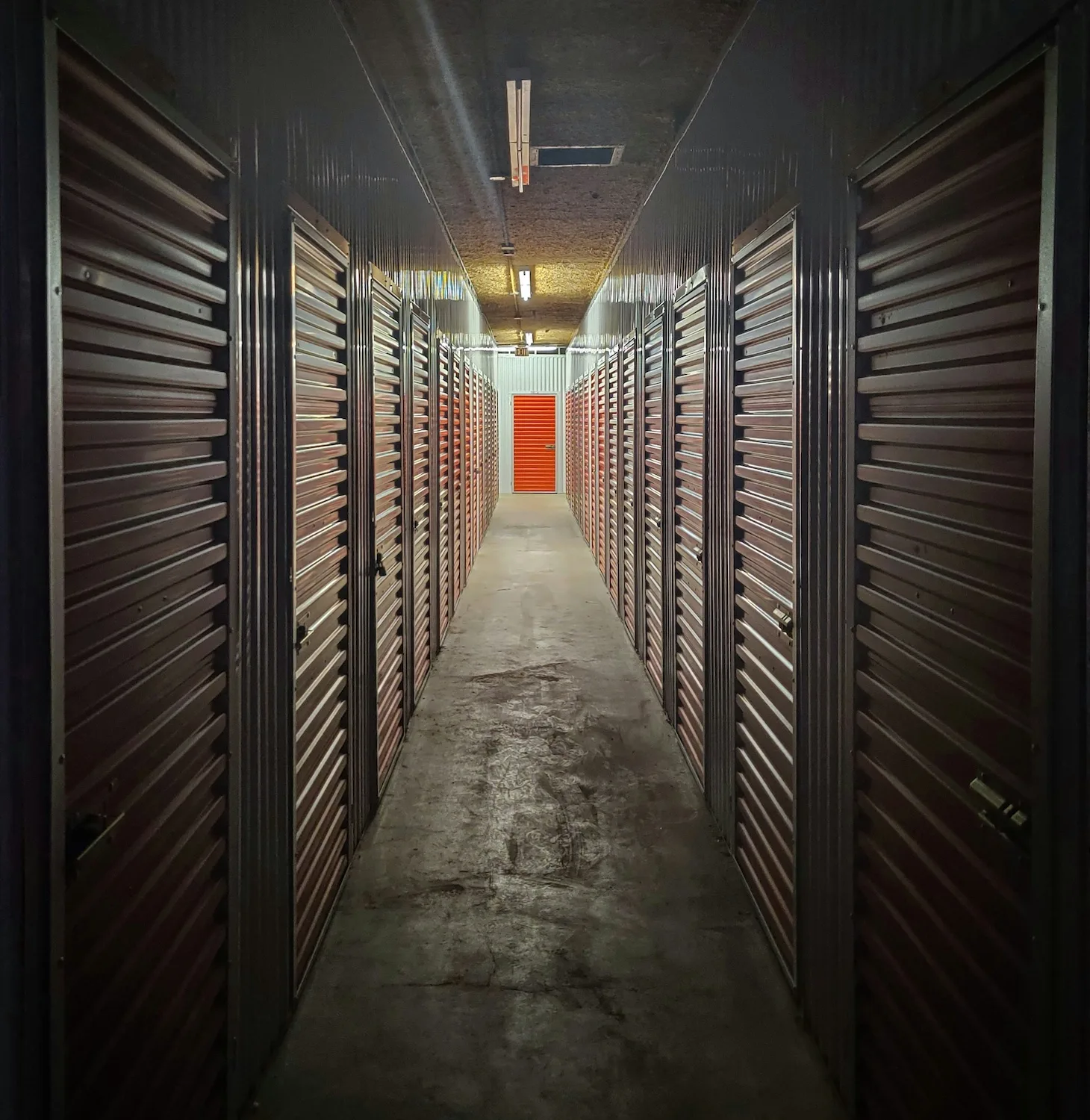
Thanks to its flexible tape design, it can be adapted to all types of storage: maritime containers, storage spaces, wintering areas or electronic boxes.
The Air Sponge is the simple, sustainable and clean solution for storing away from humidity — without constraints and without compromising on performance.
Best practices for sustainable storage
- Ventilate your space regularly to limit humidity through condensation.
- Elevate your items: never store directly on the ground.
- Use airtight containers for paper, textiles, or electronics.
- Periodically check the humidity level with a humidity tester or hygrometer.
- Replace dehumidifier bags when they are saturated.
In summary
Well storing away from humidity means preventing infiltration, ensuring good ventilation and using absorbent products adapted to your needs. Solutions like Air Sponge allow a natural and sustainable regulation of humidity, thus avoiding condensation, corrosion and degradation.
So Sponge solution
Regulating humidity in a storage area
For containers, cabinets, warehouses and outdoor infrastructure, So Sponge offers the AS-C ribbon (large adsorbing surface) and the active AirSwing units. Passive or active solutions depending on volume, zero replacement, zero consumables, with 85-day field validation on EV chargers alongside a French EV charging operator.