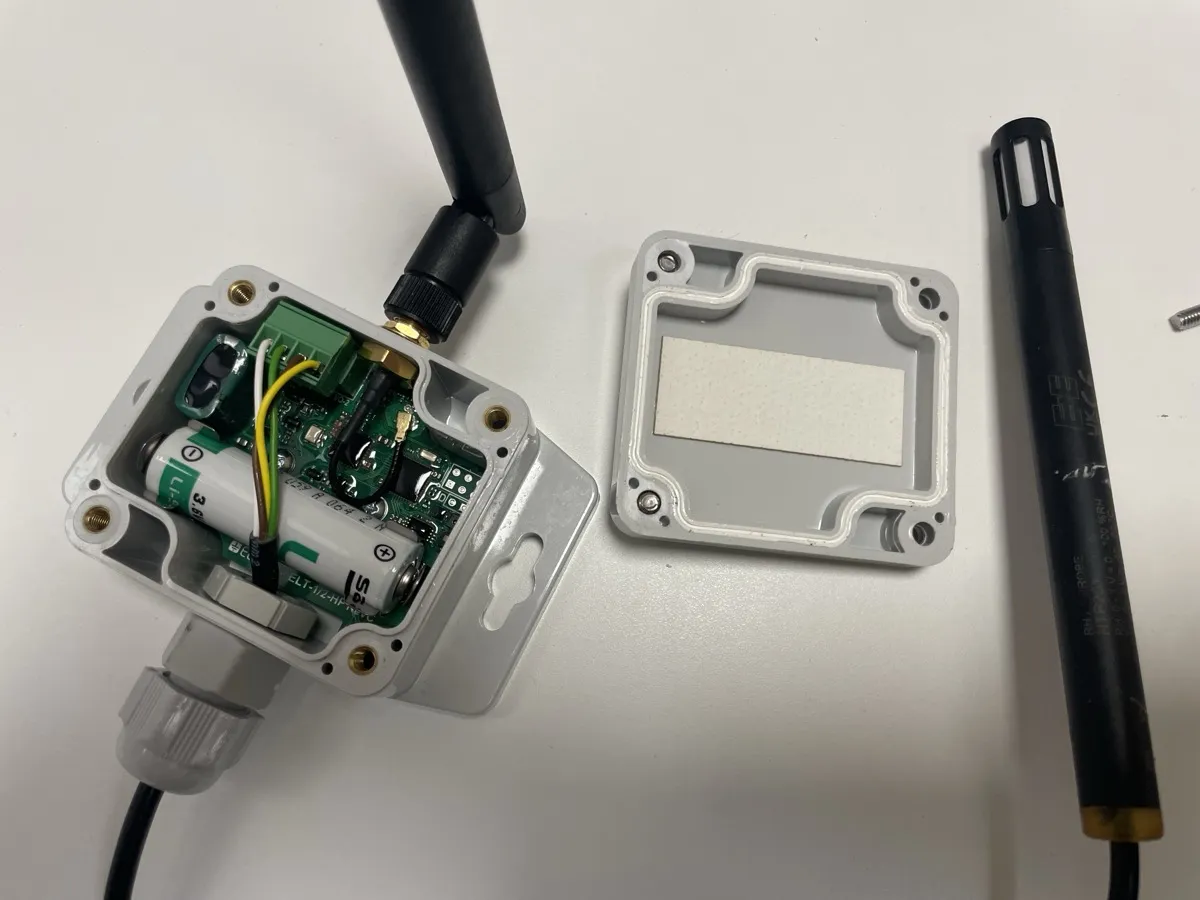
How to test an anti-condensation solution without a climate chamber
No climate chamber? You can still get a clear answer. A step-by-step protocol with a control enclosure, a fridge or a cold night, two humidity loggers and four pass/fail criteria.

Activated alumina vs silica gel: which desiccant for enclosures?
Activated alumina, silica gel and molecular sieve compared for sealed enclosures: capacity by humidity range, regeneration, dust, cost, and where SRD fits.
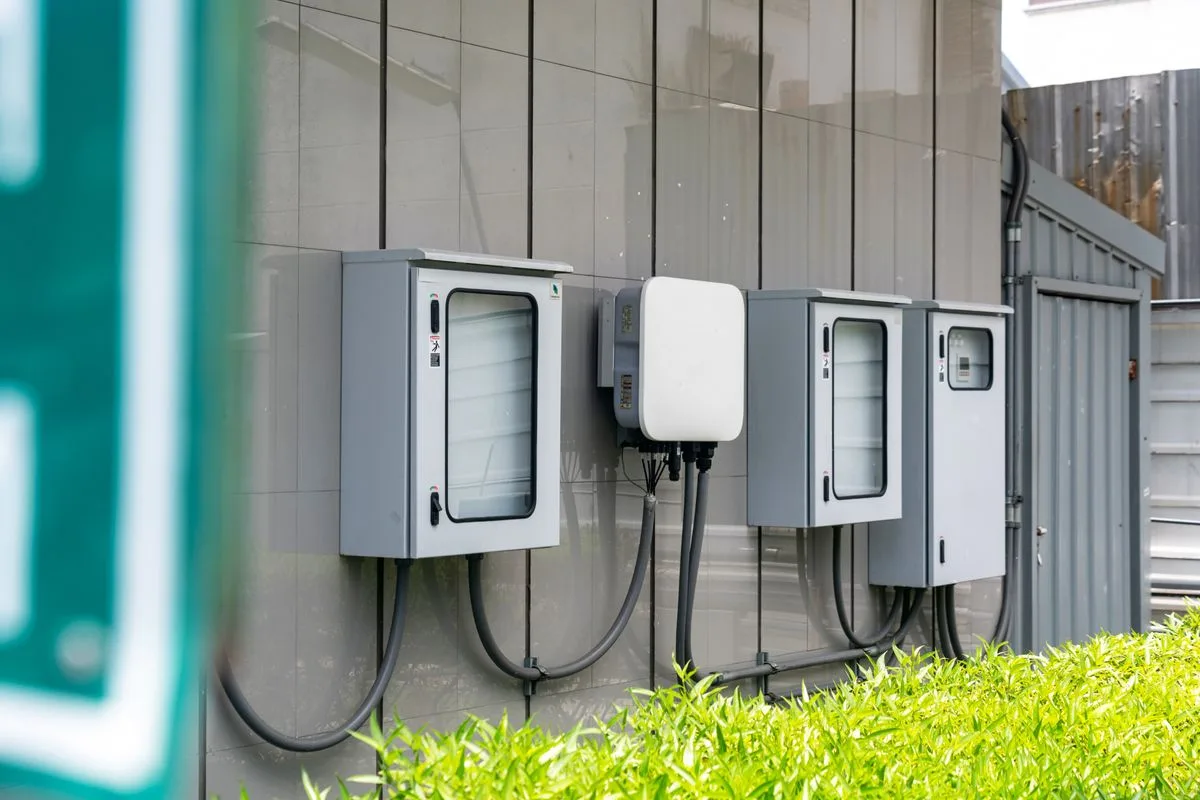
Enclosure heater vs desiccant: which stops condensation?
Anti-condensation heater, silica gel, breather vent or self-regenerating desiccant: what each does in a sealed enclosure, yearly cost, when to choose it.

IoT in agriculture: three cases of condensation in field electronics
An agricultural robot, a solar-powered animal tag, a virtual-fencing collar: three sealed enclosures, one humidity problem. What these cases teach any designer.

Does a desiccant increase moisture ingress? MVT and WVTR
Moisture vapour transmission (MVT) through enclosure walls: why a classic desiccant accelerates ingress, and why a regenerating buffer behaves differently.
Moisture control: methods that actually work in enclosed spaces
Moisture control compared: ventilation, heating, dehumidifiers, desiccants and membrane vents — which method fits sealed enclosures, cabinets and containers.
IP65 vs IP67 vs IP66: which rating for outdoor electronics?
IP65 vs IP67 vs IP66 explained for outdoor electronics: what each rating protects against, how to choose — and why no IP rating stops internal condensation.
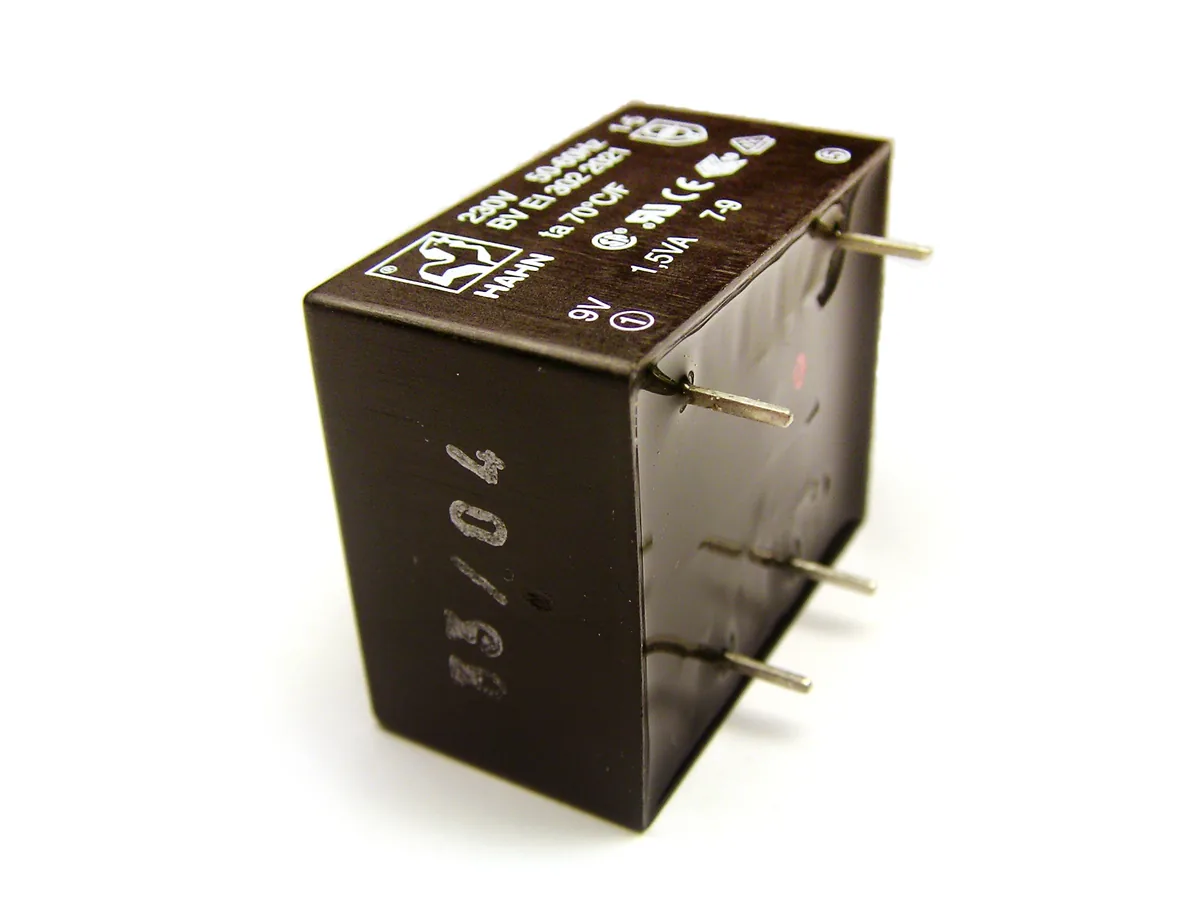
Potting or passive anti-condensation: when do you really need potting?
Resin potting or SRD AS-B sticker against condensation? Potting freezes your electronics for a single function. A comparison for electronic enclosures.
Salt-air corrosion in coastal electrical enclosures
ISO 9223 rates coastal sites C5/CX. Why salt attacks electronics, and how AirSponge prevents corrosion by keeping humidity below the deliquescence point.
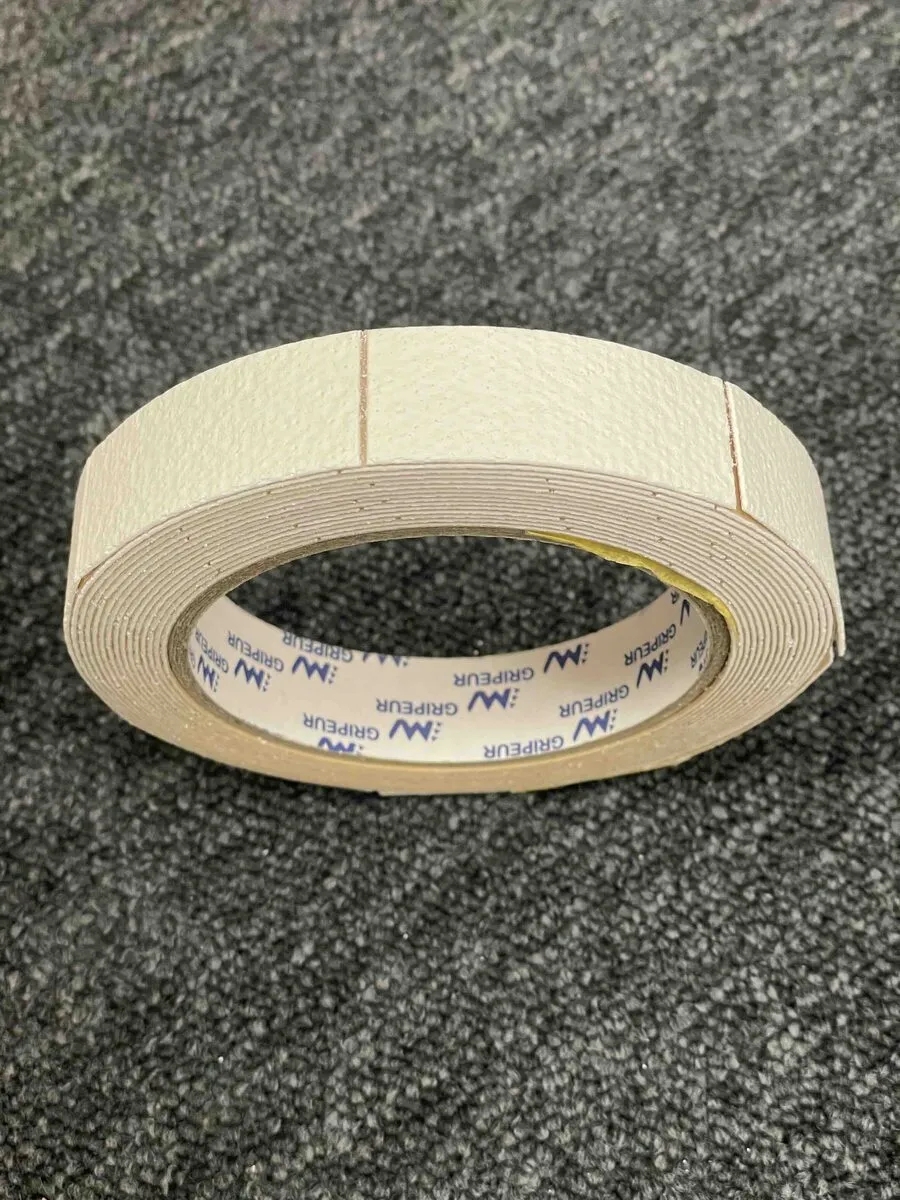
IP65 enclosures breathe: how AS-B stops moisture
An IP65 protects against liquid water, not vapor. The enclosure breathes and eventually equilibrates with ambient humidity. Measure τ, predict, protect.
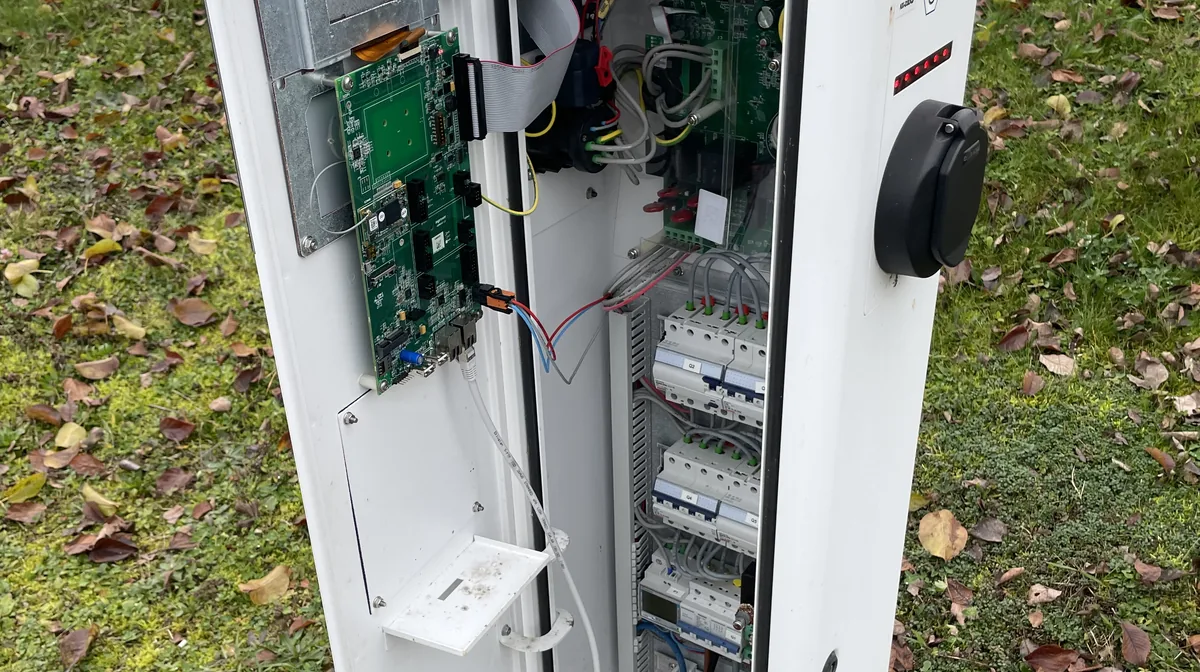
AS-C validated: 85 days in EV charging stations
85-day field test in EV charging stations: 2 AS-C strips divide condensation time by 2.6 and RH variability by 3. Zero energy, zero maintenance.
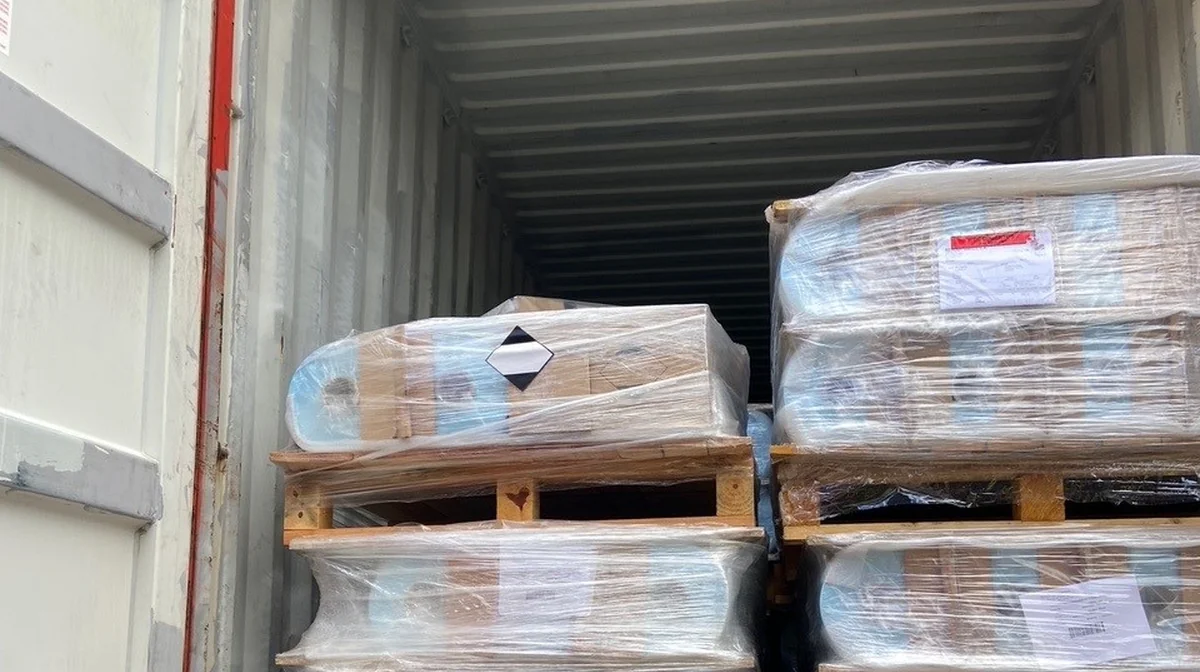
Calcium chloride: the forgotten bulk desiccant
2 kg tubs, replaced every 3 months, across tens of thousands of industrial cabinets and containers. Calcium chloride is the bulk desiccant no one accounts for.
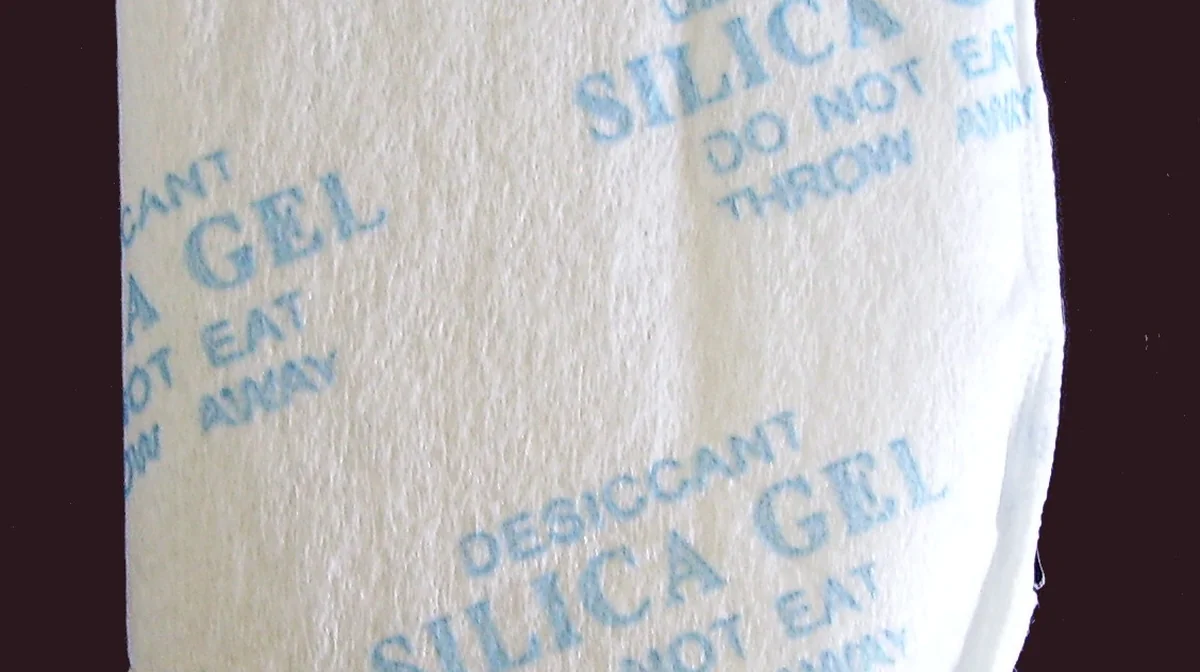
Silica gel: the blind spot of industrial eco-design
Invisible on product BOMs, made by the hundreds of thousands of tonnes, not recyclable in standard streams: silica gel deserves real scrutiny.
Condensation in industrial IP65/IP67 sensors
Internal condensation causes up to 40% of failures in industrial IP65/IP67 sensors. How moisture enters, why it persists, and how to stop it.
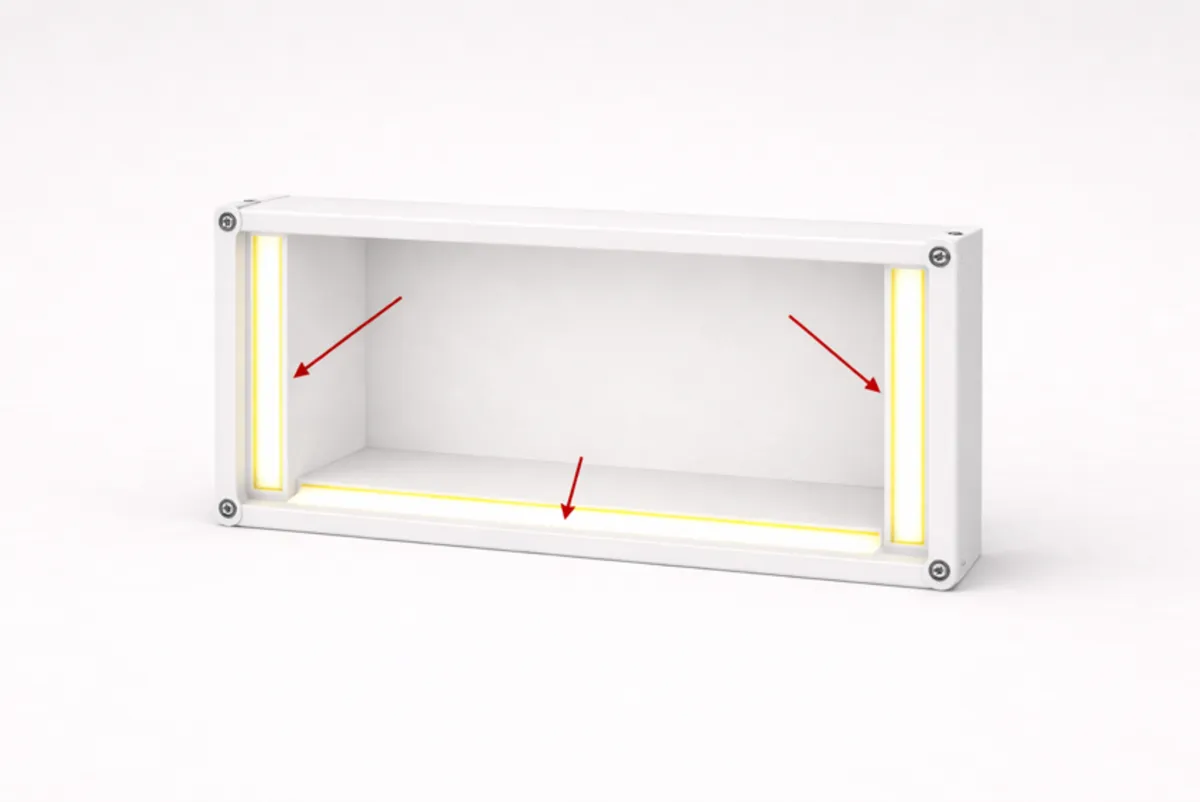
Thales case study: preventing condensation
Experimental study with a Thales group company: the Air Sponge sticker prevents condensation in equipment under severe thermal swings.
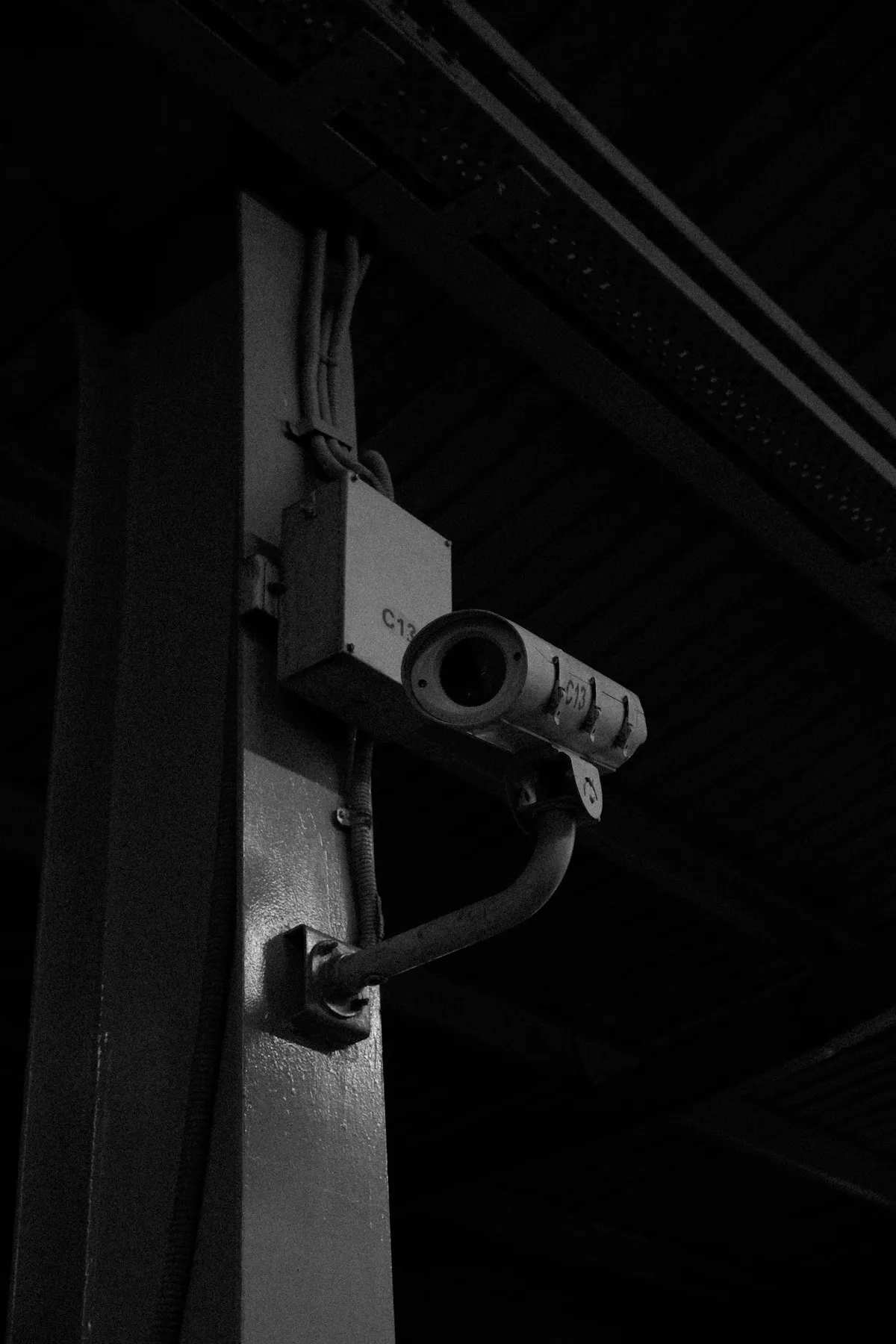
Outdoor and machine vision cameras: the condensation problem
Outdoor surveillance, traffic and machine vision cameras fog up inside their IP67 housing. Why it happens, heated window or passive desiccant, and where to place the sticker.
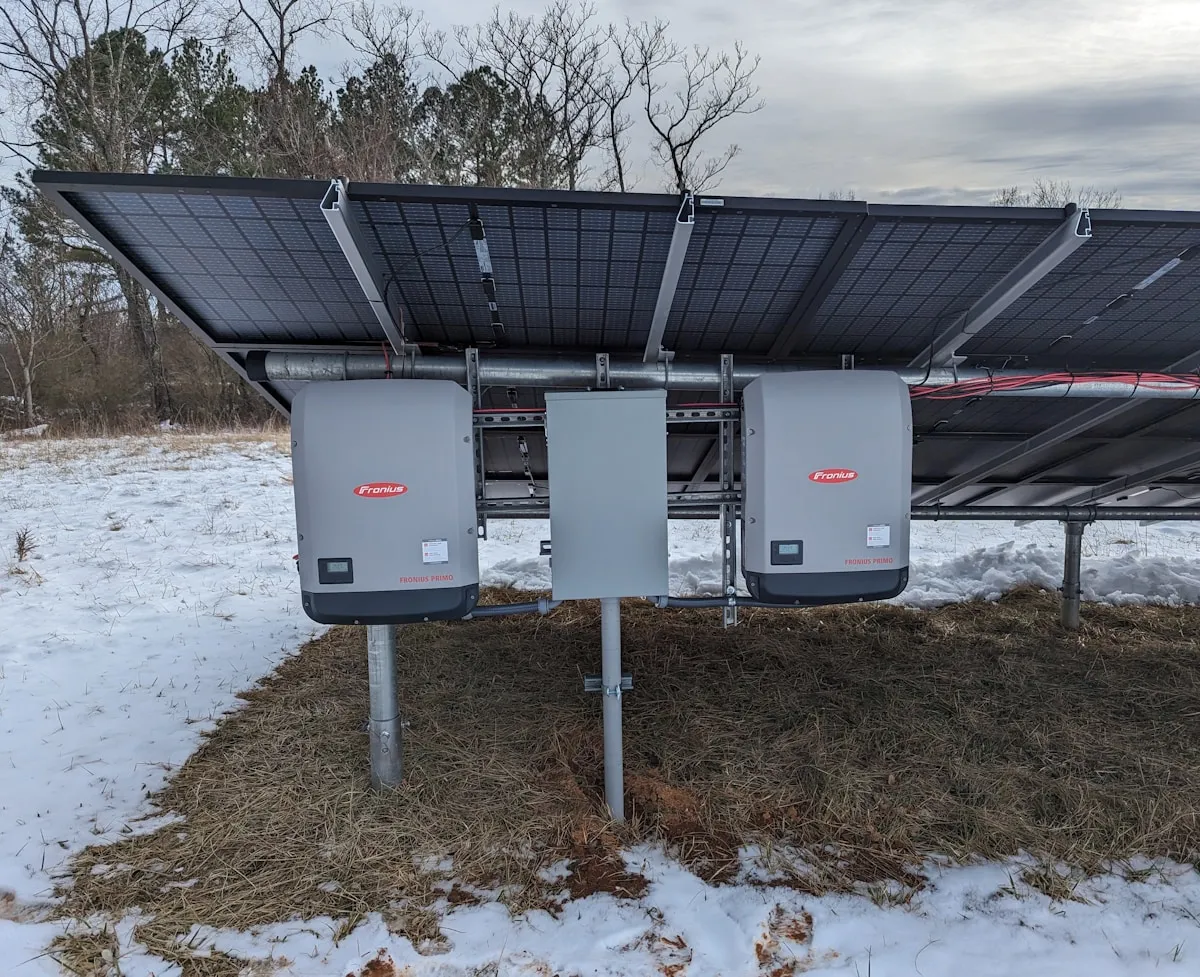
IP65 solar inverters: the underestimated humidity risk
An IP65 inverter protects against liquid water but traps water vapour. Thermal breathing causes internal condensation that accelerates component degradation.
Tilt sensors: when condensation skews readings
IP65 tilt sensors installed outdoors undergo thermal cycles that cause internal condensation. Result: measurement drift, corrosion and premature failure.
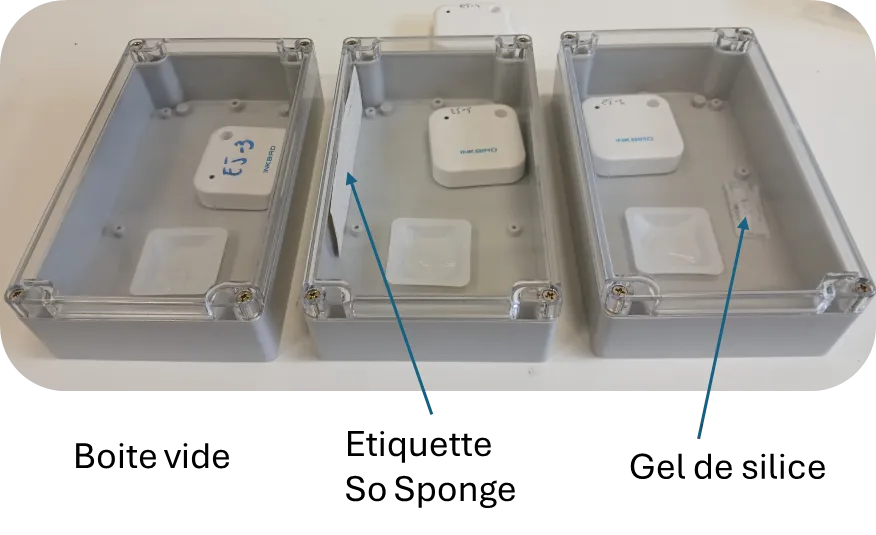
Silica gel vs So Sponge (AS-B): best desiccant for IP boxes
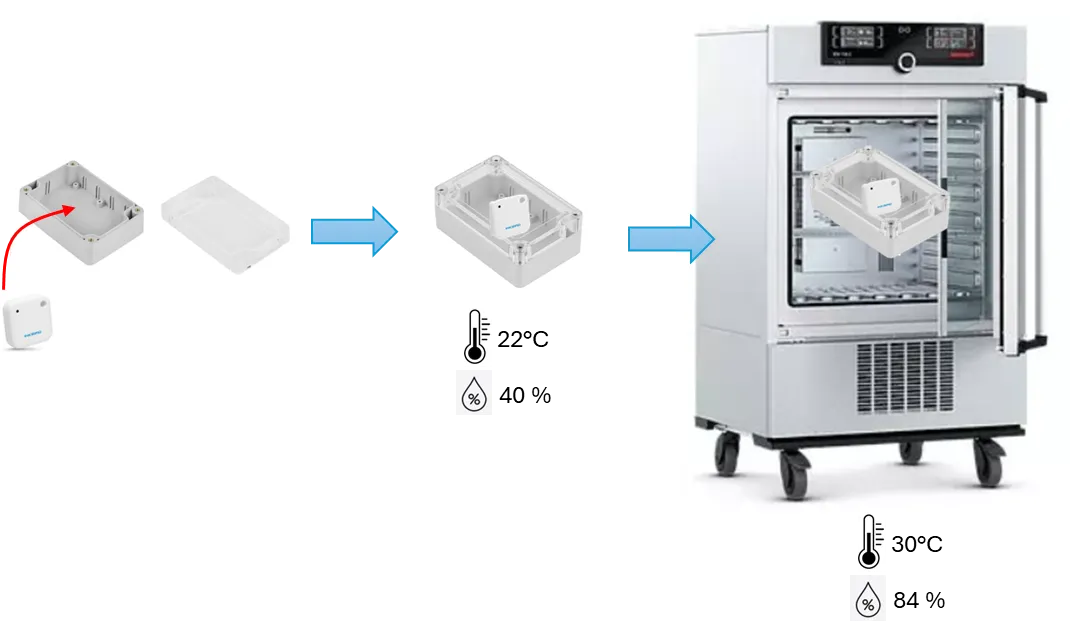
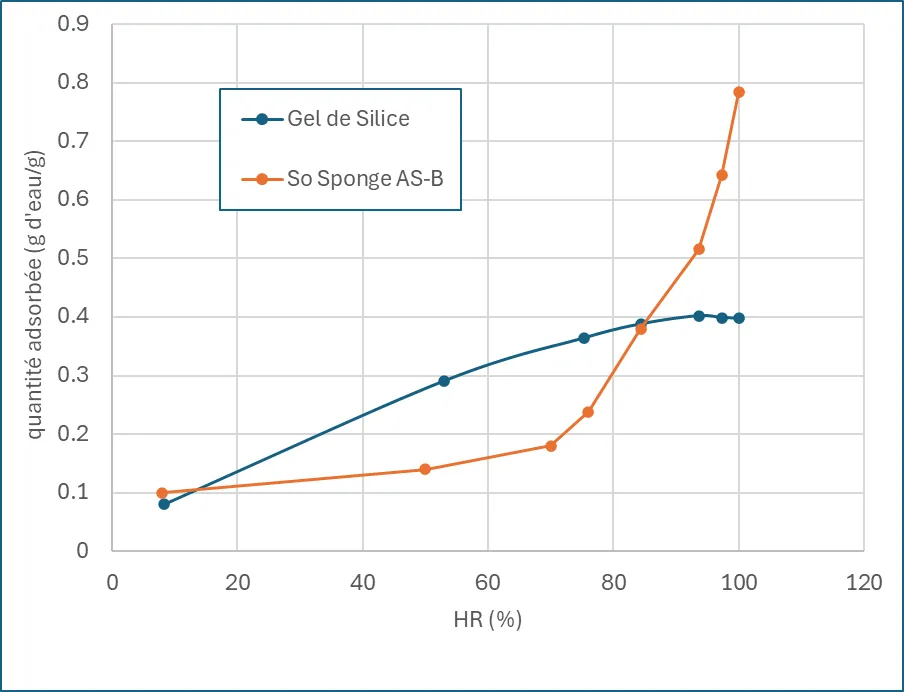
Silica gel vs So Sponge AS-B: which desiccant protects a sealed IP electronics enclosure? Lab comparison under extreme condensation.
Anti-humidity boxes: are IP boxes waterproof?
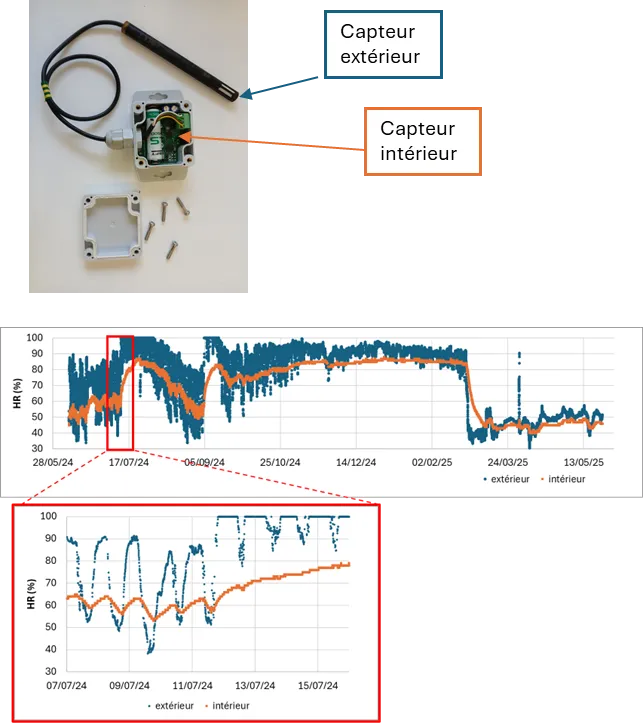
An anti-humidity box is often associated with an IP65+ waterproof electrical box. But do these ratings really guarantee protection against air and moisture?
Condensation in electronic devices: solutions
Discover solutions against condensation in electronic devices: conformal coating, heating, silica gel and next-generation moisture absorbers.
Condensation problem in IP boxes: causes and effects
Why does condensation appear in an IP box? Understand the causes and effects on your electronic devices.
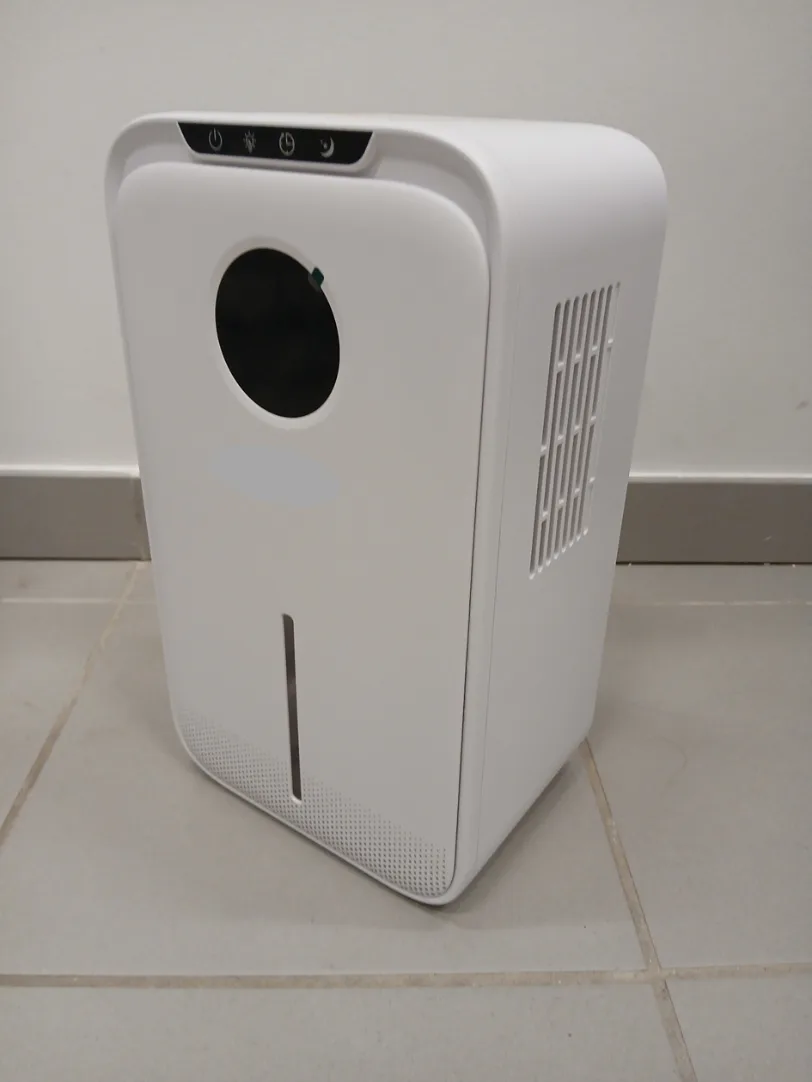
Electric Dehumidifier: How Does It Work?
A dehumidifier is an electrical appliance designed to reduce humidity in the air by condensing the water vapor it contains.

Gore Vent, breather vent or desiccant breather: what works?
A Gore Vent or breather vent equalises pressure, a desiccant breather dries tank air: neither removes moisture inside a sealed enclosure. Table and test.
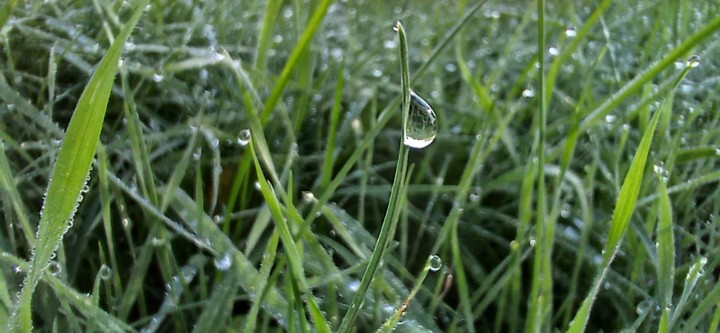
Dew Point Temperature: Definition and Challenges
The dew point temperature is the temperature at which the air becomes saturated with water vapor and begins to produce condensation.
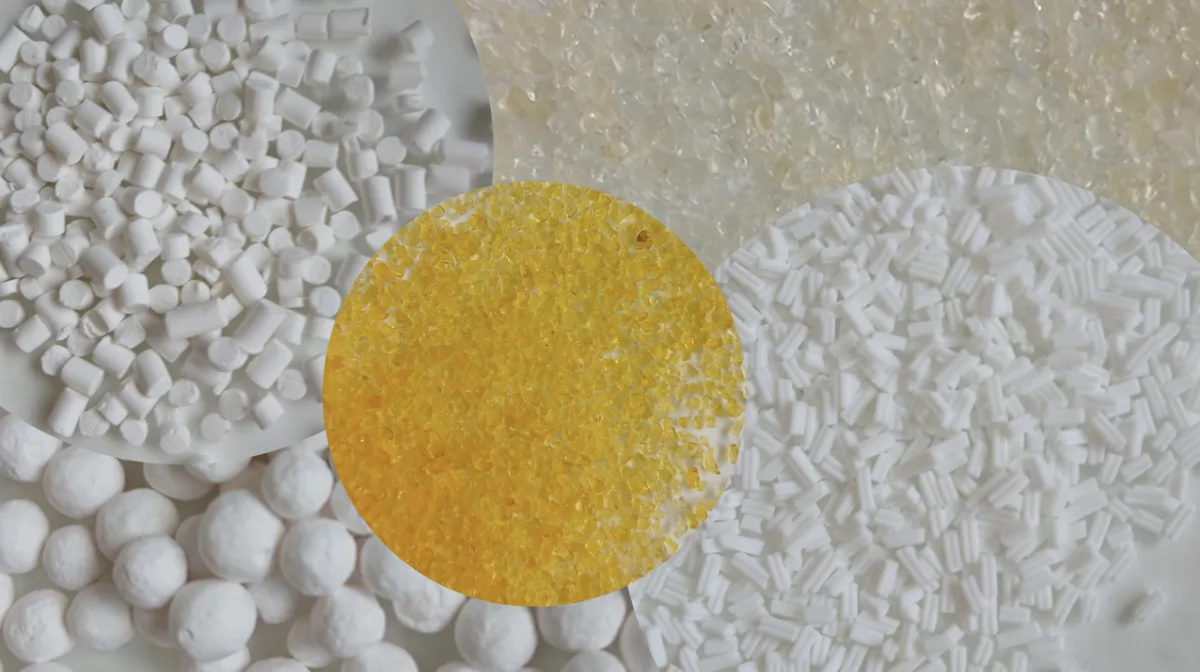
Desiccant: meaning, types and how it works
Desiccant meaning explained: a material that captures airborne moisture. Compare silica gel, molecular sieve, calcium chloride and regenerable types.
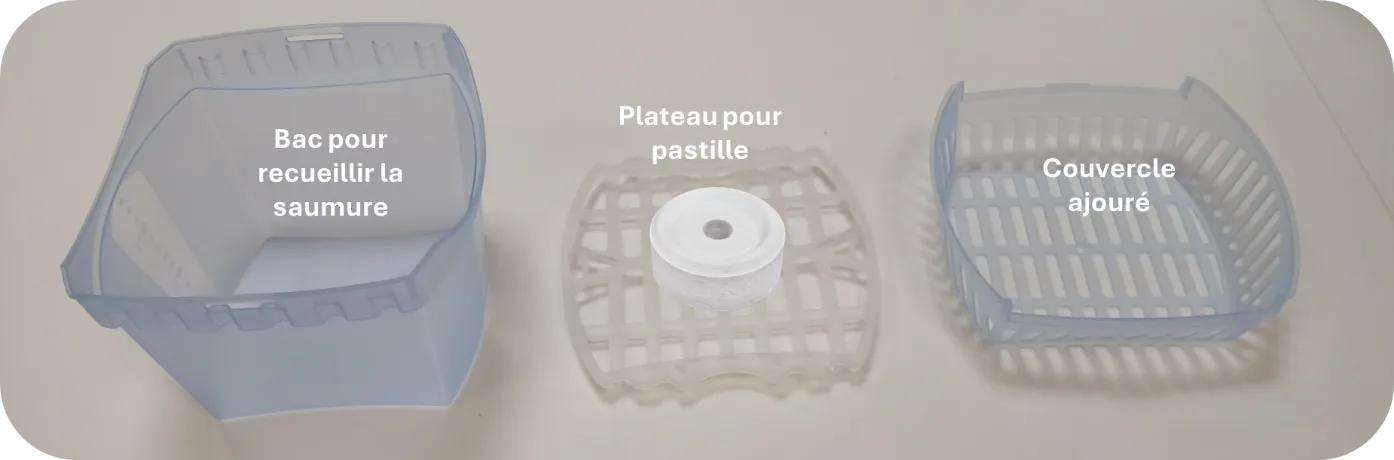
How do moisture absorbers work? Types & guide
How moisture absorbers work: calcium chloride, silica gel, molecular sieves and regenerating SRD materials compared. Choose the right solution.
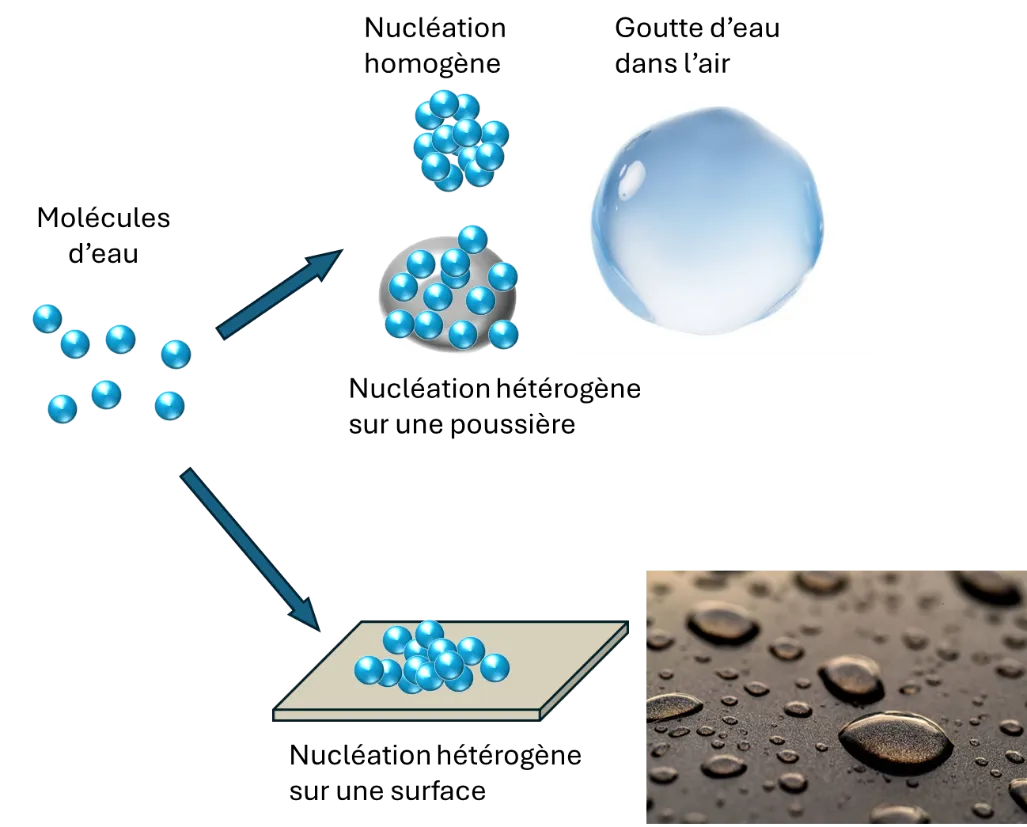
What is condensation? Simple and clear explanations
Condensation is water shifting from a gaseous state (vapor) to a liquid (droplets). This physical phenomenon is everywhere around us.

How to store items away from humidity
How to store items away from humidity: protect paper, textiles and electronics from moisture damage with desiccants and active control.
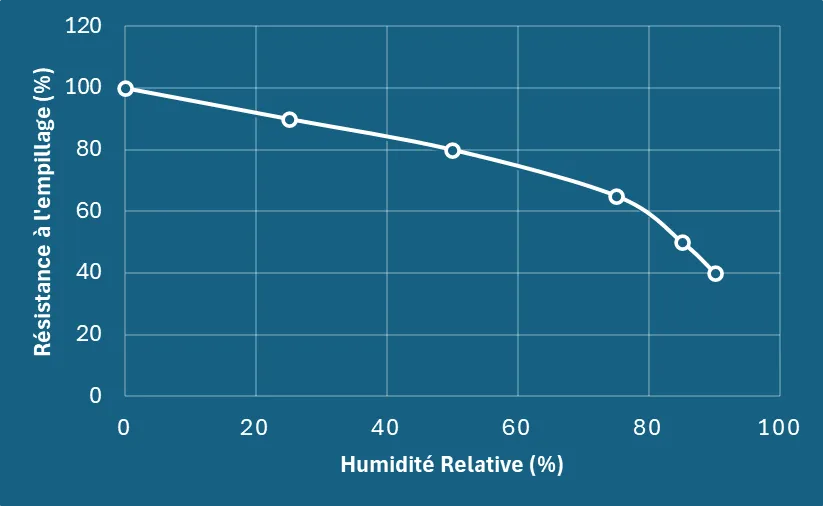
What is the humidity level to store cardboard boxes?
Discover the ideal humidity level to protect your boxes and prevent them from deteriorating during storage.
Best moisture absorbers 2026: comparison guide
Compare the best moisture absorbers in 2026: silica gel, calcium chloride, molecular sieve and regenerating SRD. Pros, cons and use cases.
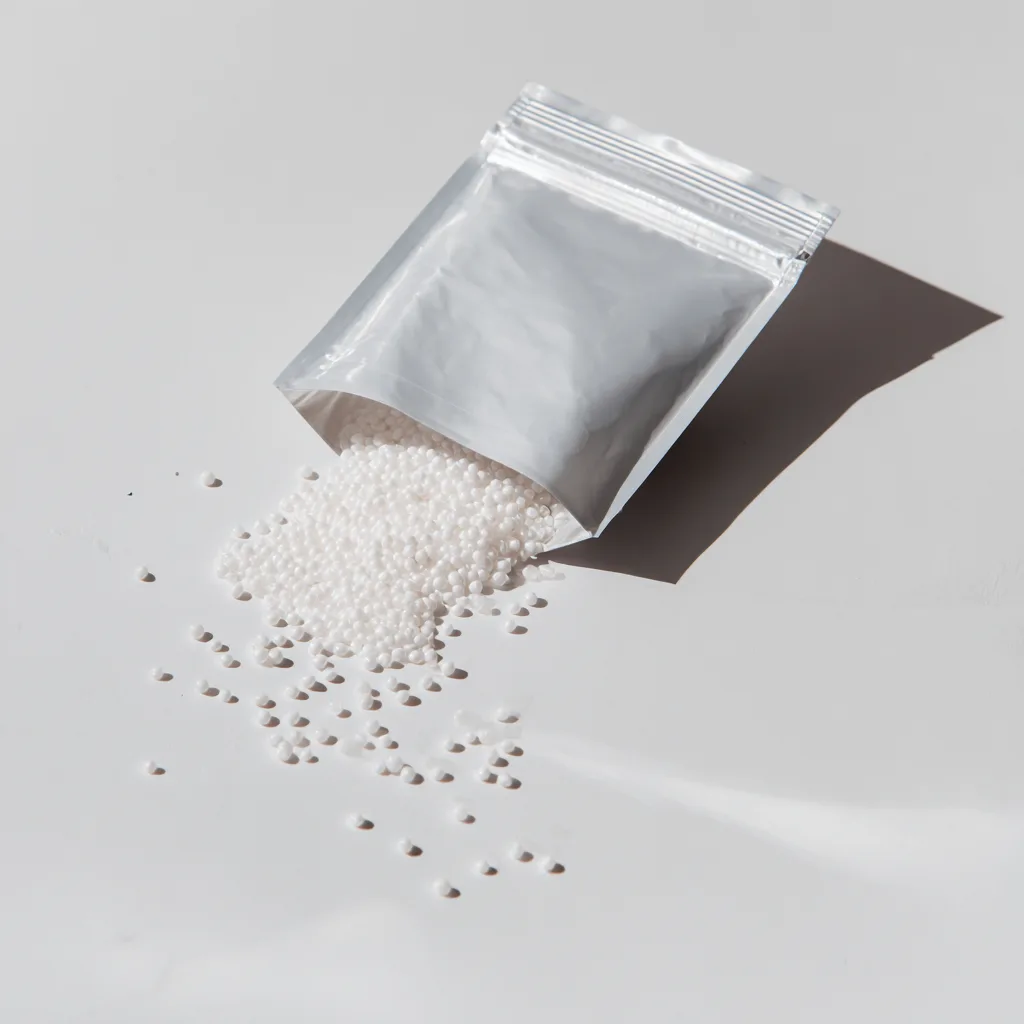
What is silica? Definition, uses and dangers
Silica, or silicon dioxide (SiO2), is a compound found everywhere in nature - sand, rocks, glass - and in products like dehumidifier bags.

Anti-condensation solutions in storage containers
Humidity in storage containers comes from condensation on the ceiling at dawn. Water then drips onto the floor and stored goods, causing damage.
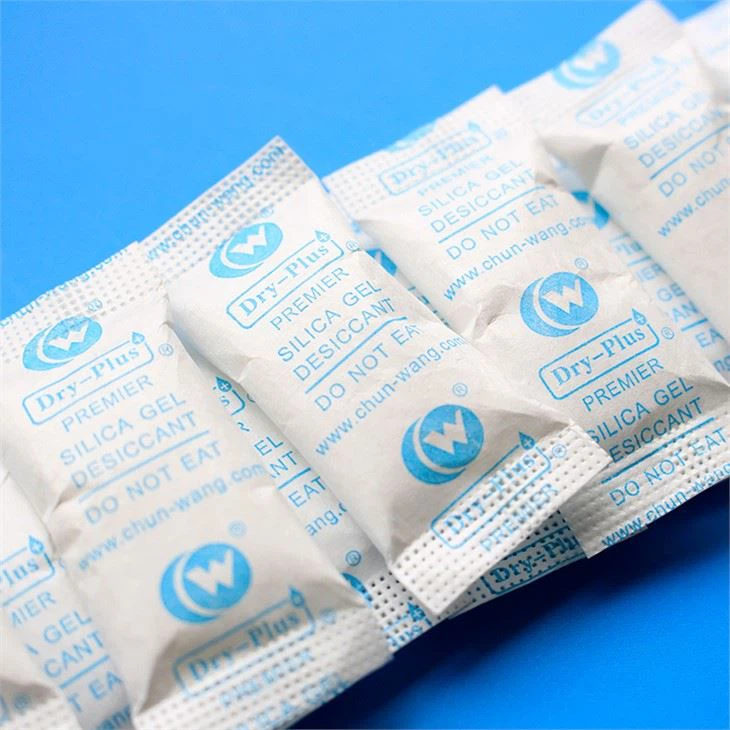
Reusable, rechargeable or disposable desiccant: which lasts?
Disposable silica gel, oven-rechargeable desiccant or self-regenerating sticker: how long each lasts in a sealed enclosure, recharge limits, 5-year cost.
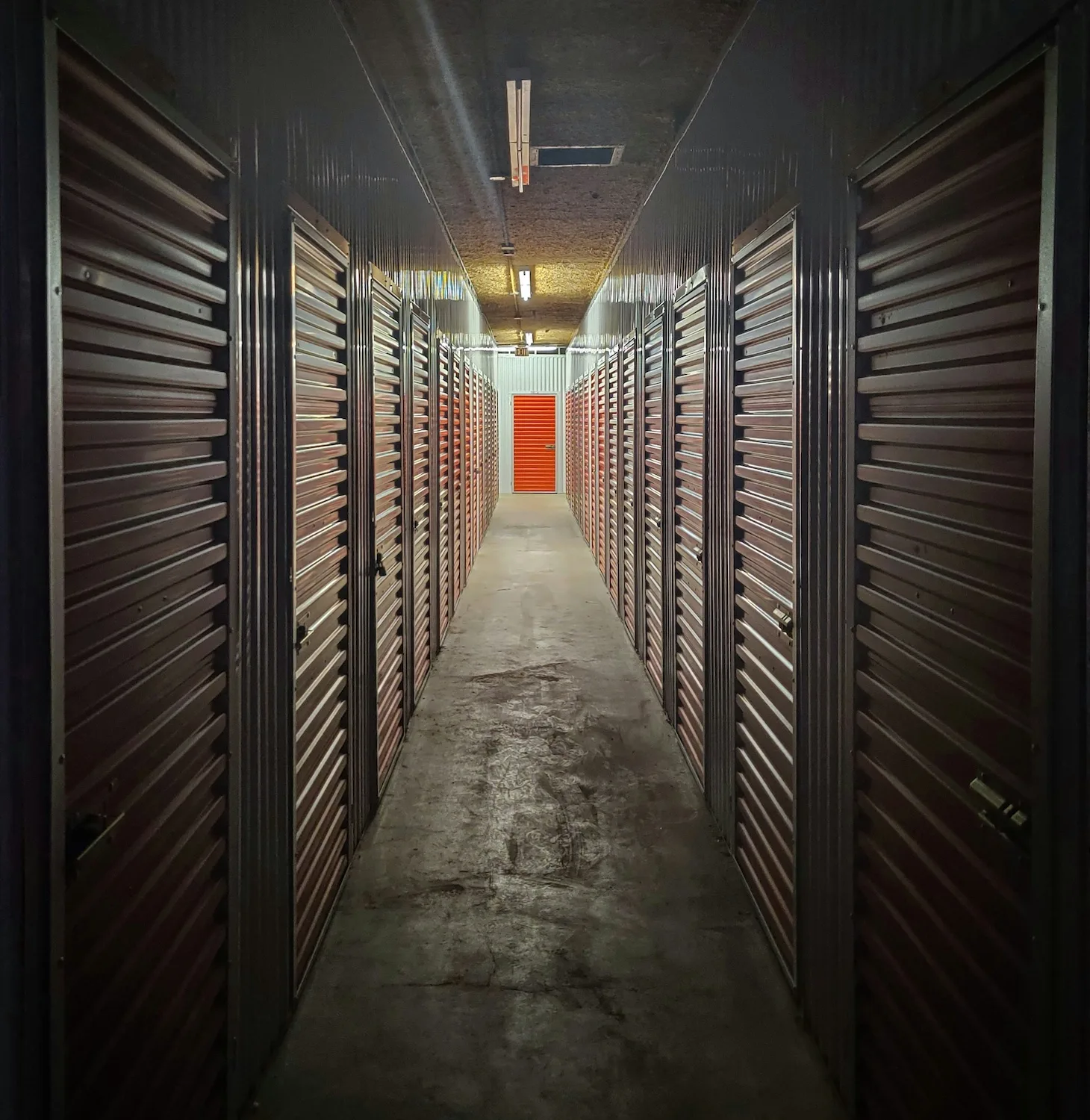
Effective moisture protection for stored products
Storing goods in damp places - cellars, containers, sheds - quickly causes deterioration and corrosion. Protect them with the right solutions.

Storing in a humid place: tips and solutions
Some storage locations have high humidity levels. Discover the risks for your objects and the solutions for storing in a humid place.
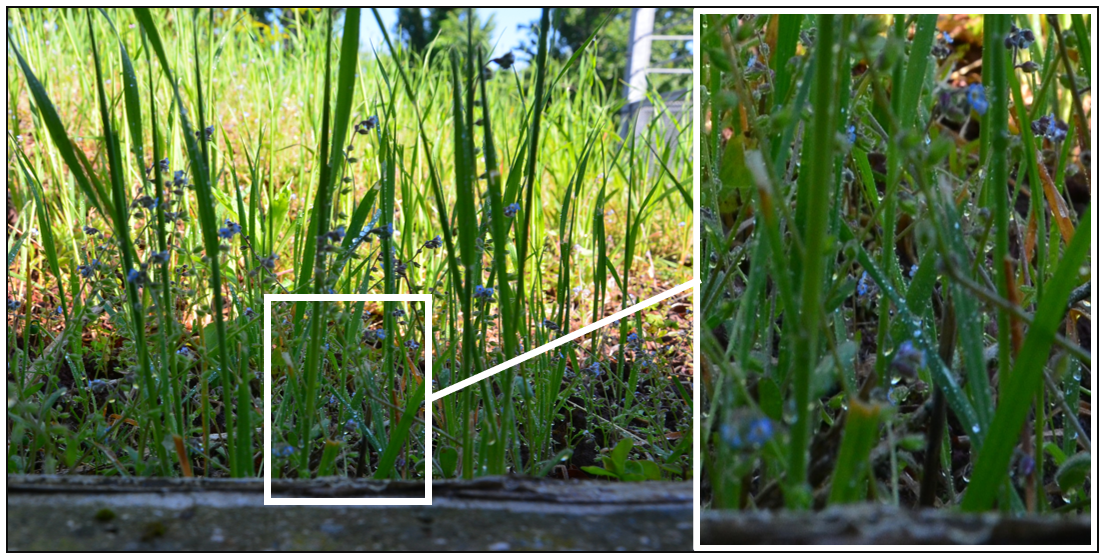
How does condensation occur? Causes and examples
Condensation happens when relative humidity reaches 100%. Two main causes: temperature variations and water evaporating into the air.
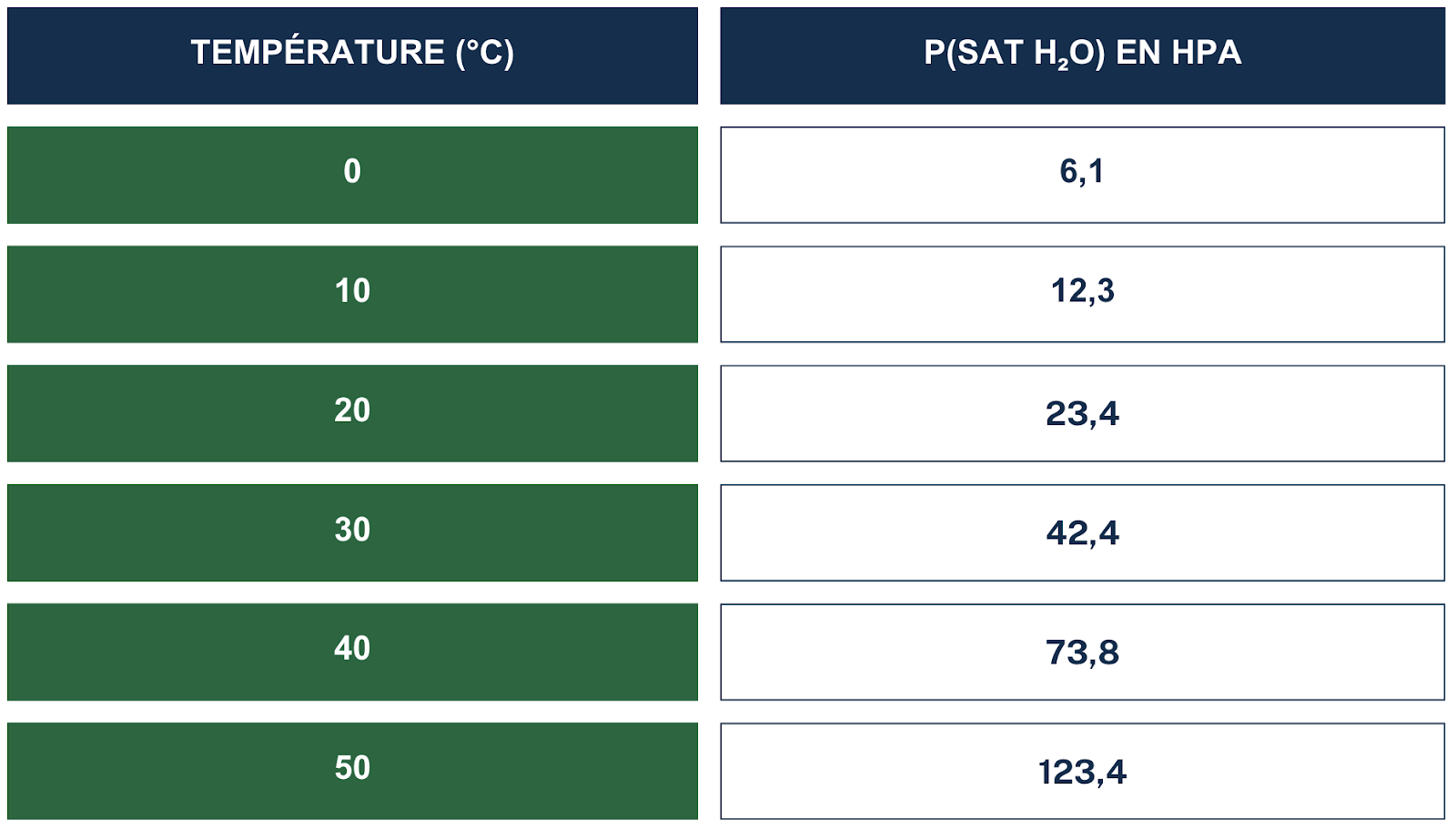
Relative humidity formula: how to calculate RH
Relative humidity formula explained: calculate RH from vapor pressure or dew point, with worked examples, tables and a free RH calculator.

Relative vs absolute humidity: the difference
Relative humidity (RH) is the percentage ratio between the pressure of water vapor in the air and the pressure of saturated vapor at a given temperature.
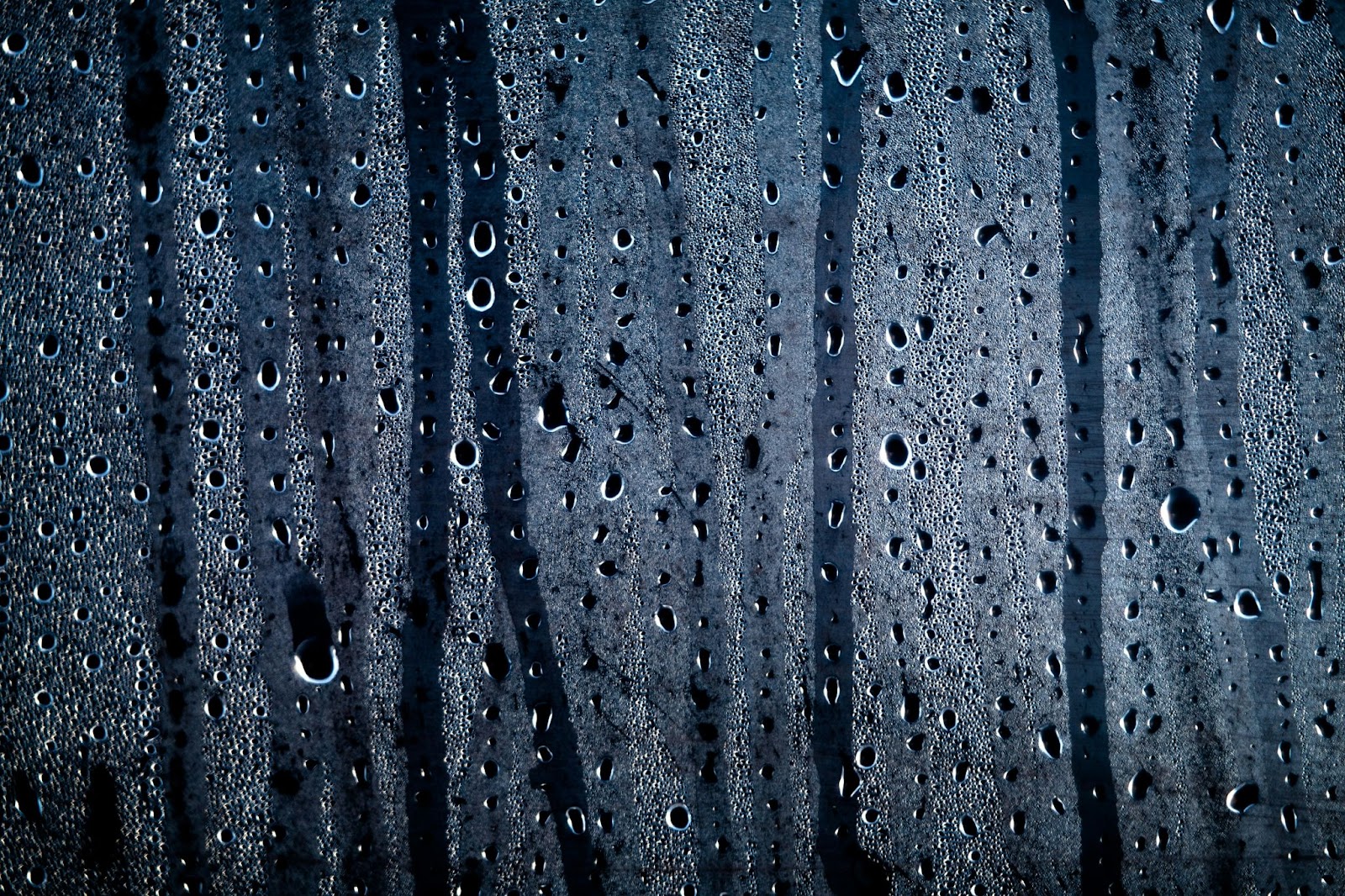
Humidity: definition, causes and effects
Water exists in three states: gaseous (steam), liquid, or solid (ice). In ambient air, it manifests as water vapor, at varying concentrations.
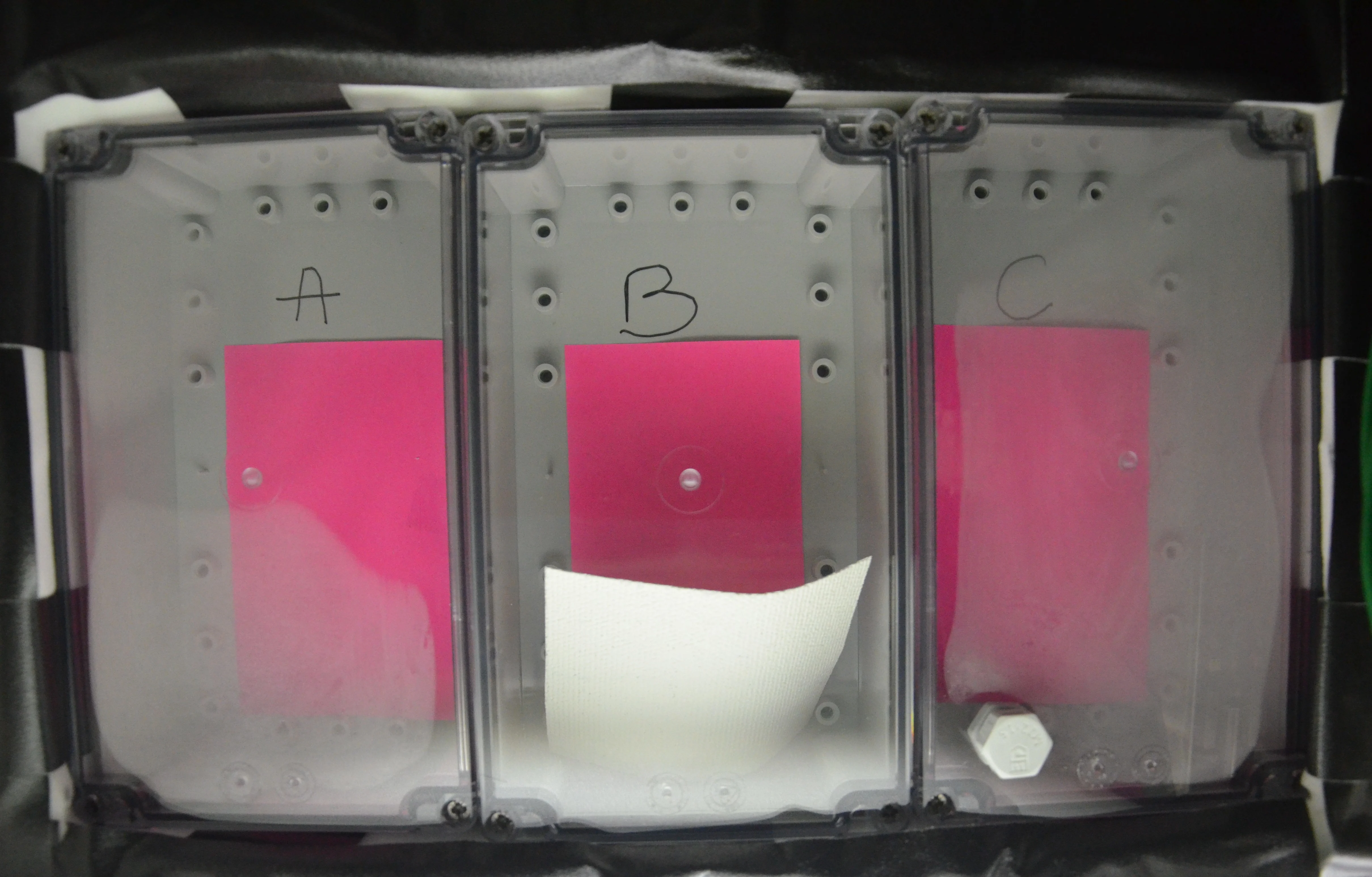
Gore-Tex vent vs SRD AS-B against condensation
Test on 3 IP66 enclosures: the Gore-Tex vent does not reduce condensation (same as the bare control). Only the SRD AS-B sticker stops it.
How to prevent condensation in enclosures
6 solutions compared with lab data. Learn why IP65 doesn't stop humidity and which method actually prevents condensation in sealed enclosures.
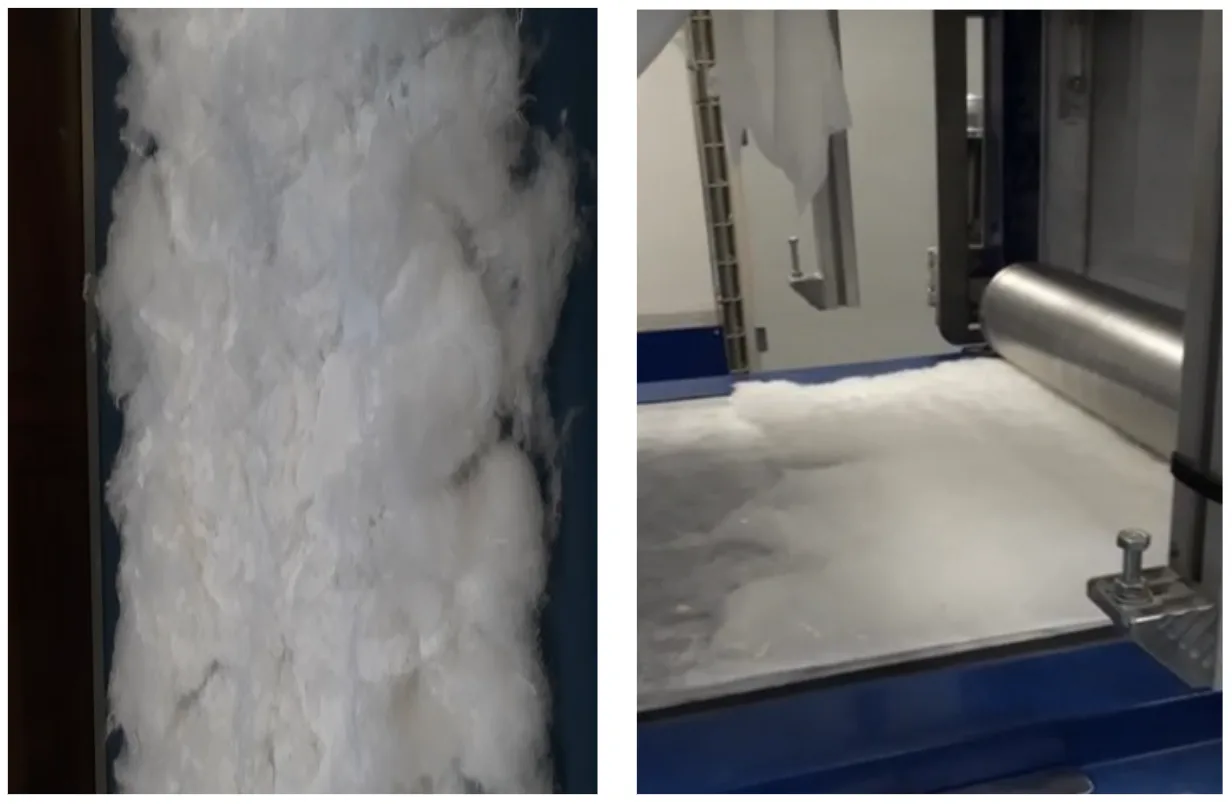
Laminating process testing with IFTH
So Sponge and IFTH test innovative methods for depositing powder on nonwoven structures, optimizing bonding techniques to improve product performance.
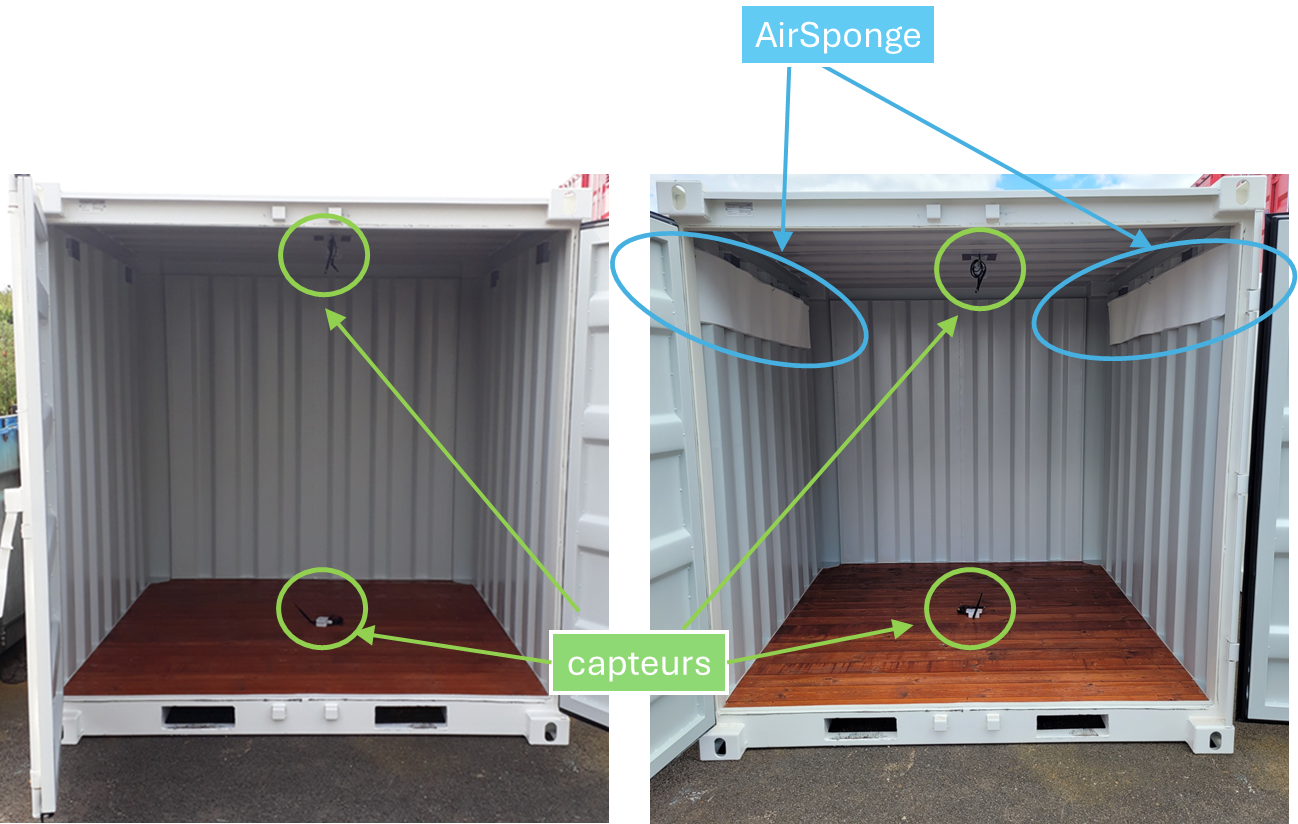
Humidity control: Air Sponge test with CAPSA
After promising climate-chamber results, So Sponge ran a field test with CAPSA, a specialist in container design and conversion.

Market Exploration with ERDYN
ERDYN explores market opportunities for So Sponge's humidity-regulating tape, analyzing key applications and providing strategic recommendations.

The Creation of So Sponge
So Sponge was born from the collaboration between two researchers: Melaz Tayakout, professor at UCBL, and Elsa Jolimaître, research engineer at IFPEN.