Condensation problem in IP boxes: causes and effects
Condensation in an electrical enclosure is a frequent problem in many electronic devices. Even when protected by a waterproof IP electrical box, equipment can suffer humidity-related damage.
To limit these risks, it is often necessary to use an anti-condensation product capable of regulating the humidity present in the box volume.
But before identifying effective solutions, it is important to understand why humidity appears in equipment designed to be watertight.
What is an IP box?
IP boxes are classified according to the international IP standard (Index of Protection). This standard guarantees protection against:
- The intrusion of dust
- The entrance of liquid water
Examples include IP waterproof boxes found in numerous electronic equipment intended to operate outdoors or in industrial environments. However, this standard — IEC 60529 — certifies protection against dust and liquid water, but neither airtightness nor vapour-tightness. This distinction is documented by vent manufacturers, who design membranes specifically to manage the “breathing” of IP enclosures (W. L. Gore & Associates).
Where do we find these electrical boxes?
Humidity in electronic equipment affects numerous devices, including:
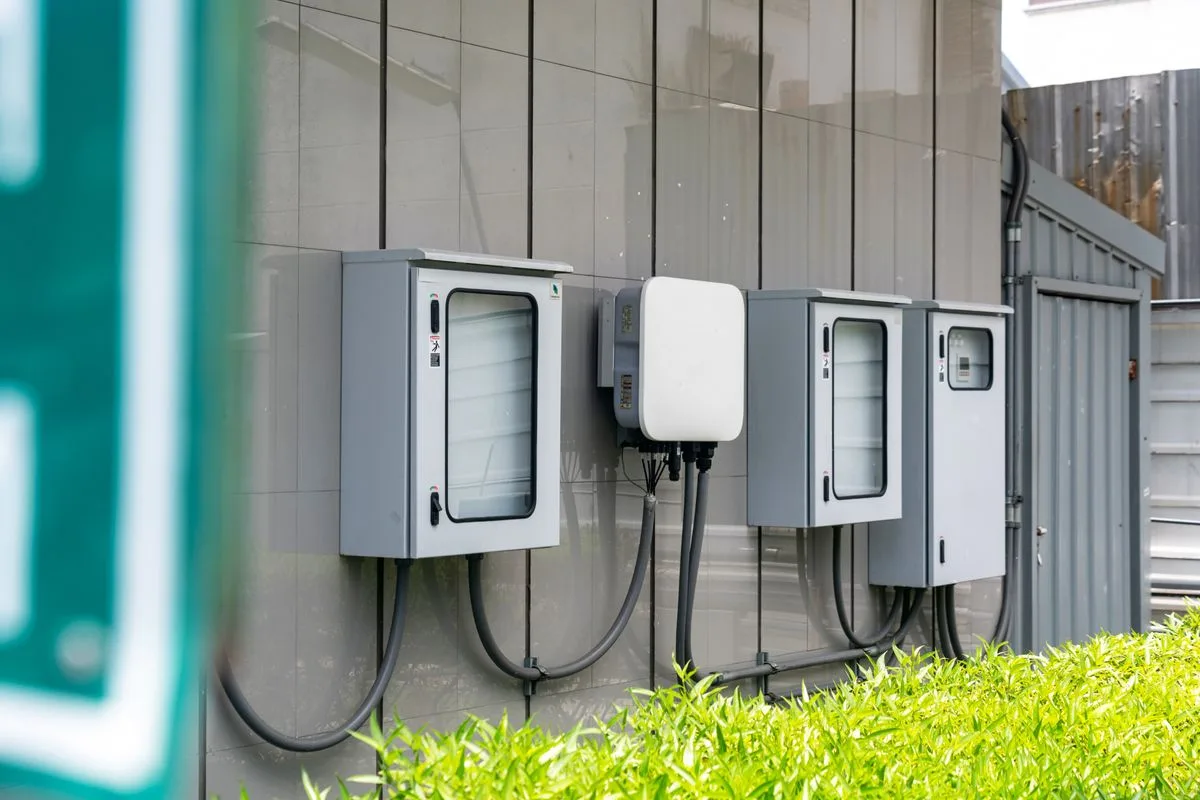
- Junction boxes
- Electrical panels
- Waterproof junction boxes
Humidity also represents a significant risk for sensors and electronic systems exposed to variable climatic conditions. Modern everyday objects contain numerous sensors:
- Temperature sensors
- Wetness detectors
- Pressure sensors
- Movement sensors
- pH sensors
- Rain sensors
Equipment most exposed to climatic conditions includes:
- Rain sensors
- Outdoor surveillance cameras
- Pool pH sensors
- Humidity sensors
- Outdoor light fixtures
- Drones
The limits of IP boxes
IP boxes do not guarantee airtightness. In practice, air and water vapor can flow slowly through:
- Gaskets
- Cable transits
- Assembly defects
- Mechanical wear
Even outdoor waterproof electrical boxes can gradually let in moisture.
Why does the tightness of enclosures deteriorate?
The gaskets of a waterproof electrical connection box may deteriorate over time due to:
- Temperature variations, which cause variations in internal pressure
- Mechanical stresses
- Contact with certain chemical products
- Frequent openings for maintenance
Humidity in the air enters the enclosures
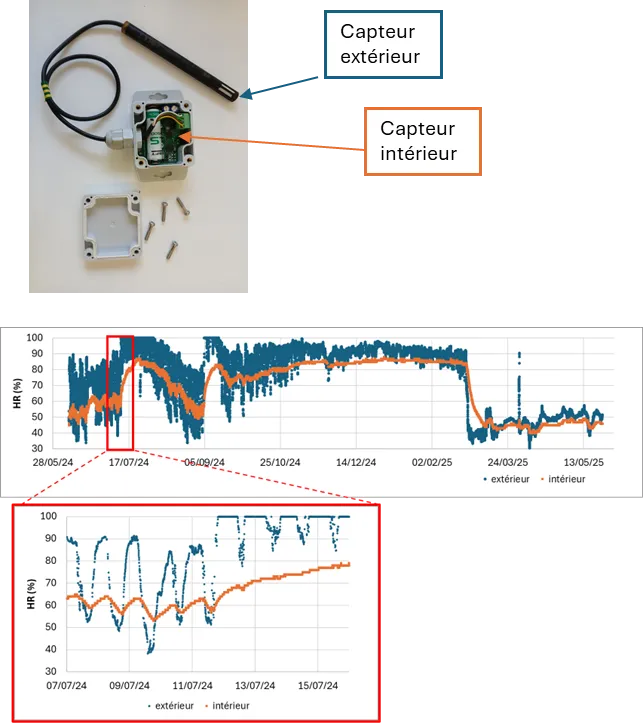
When equipment is installed in a humid area, ambient humidity eventually penetrates into the case volume. Laboratory tests demonstrate that:
- Internal humidity follows the variations of the environment
- Air exchanges are slow but continuous
- No IP box is completely airtight
The concentration of water vapor in the air therefore increases progressively within the confined volume.
Condensation: the real danger
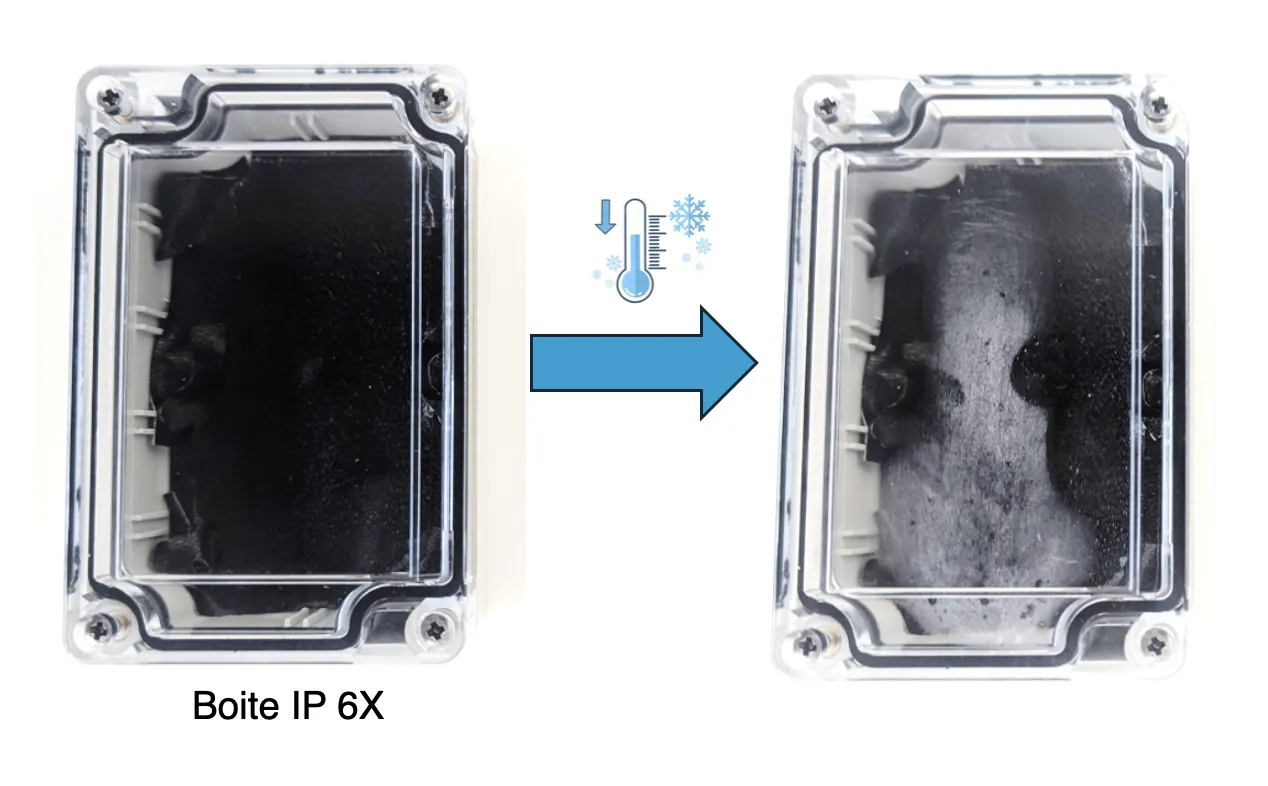
Once humid air is present in the housing, a temperature drop causes condensation, known as the “cold spot effect.”
When liquid water forms inside the case, it becomes very difficult to eliminate. As temperature increases, water can evaporate, but water vapor can then condense again when it contacts a colder wall. This cycle can repeat numerous times, favoring gradual degradation.
To summarize:
- The IP standard does not guarantee airtightness
- Gaskets may deteriorate over time
- Humidity from the air can enter waterproof electrical boxes
Consequences of humidity in an electronic device
Humidity and condensation can cause several types of damage.
Direct effects
- Corrosion of electronic circuits
- Short circuits
- Component failure
Indirect effects
- Fog on screens or cameras
- Loss of optical performance
- Degradation of solar panels
- Malfunction of electronic sensors
Poor humidity control significantly reduces equipment lifespan. This is why using an anti-condensation product suitable for electrical boxes is often essential to permanently protect electronic devices exposed to humid environments.
Sources
- IEC 60529 — Degrees of protection provided by enclosures (IP Code): protection against solids and liquid water, not against air or vapour.
- W. L. Gore & Associates — Protective vents for outdoor electronics: the “breathing” effect of IP enclosures under thermal cycling.