PASSIVE RANGE B2B

Anti-condensation tape AS-C

Self-regenerating pre-adhesive strips for large volume enclosed spaces: electrical cabinets, containers, street furniture. 8x the useful capacity of silica gel in the risk zone (60-90% RH), zero maintenance, unlimited lifespan.

Zero energy Self-regenerating 8x risk zone REACH compliant

✓ Condensation ÷ 2.6 in an 85-day field trial — deployed at self-storage operators
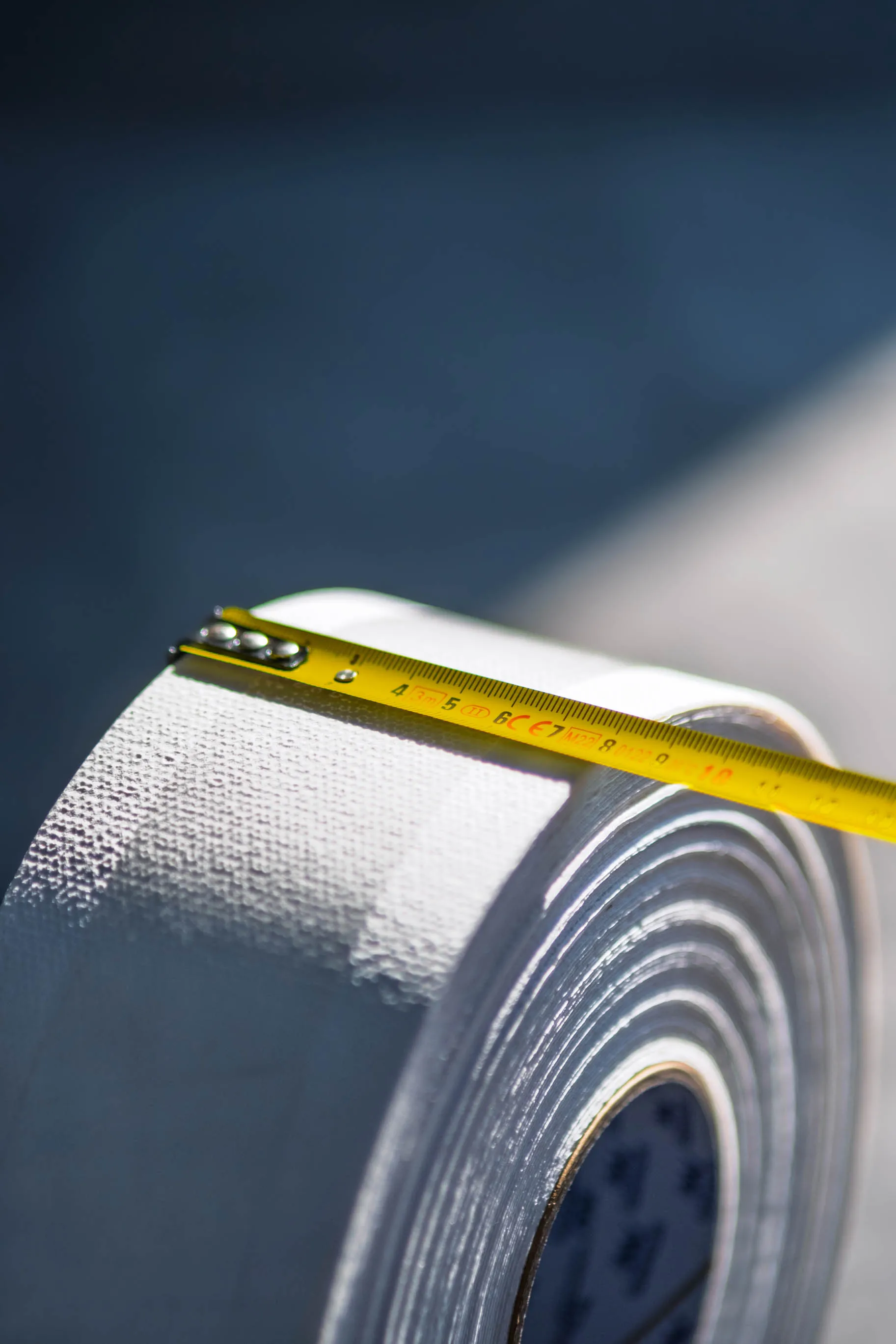
Anti-condensation tape AS-C — pre-adhesive strips for large volume enclosed spaces

Who is it for?

Where to use the AS-C?

The AS-C tape is designed for large volume enclosed spaces (> 1 m³). For small volume enclosures (sensors, IoT), see the AS-B format.

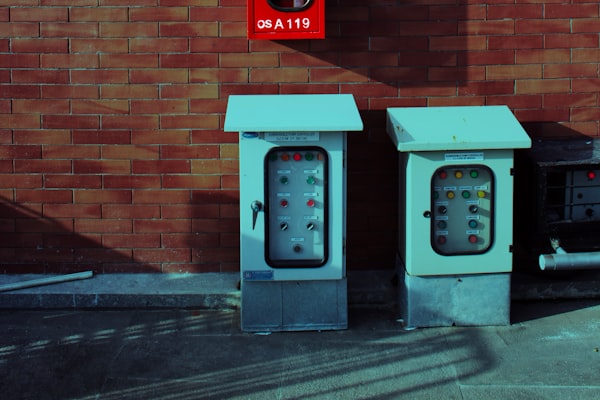
Industrial electrical cabinet — AS-C anti-condensation protection

Electrical cabinets

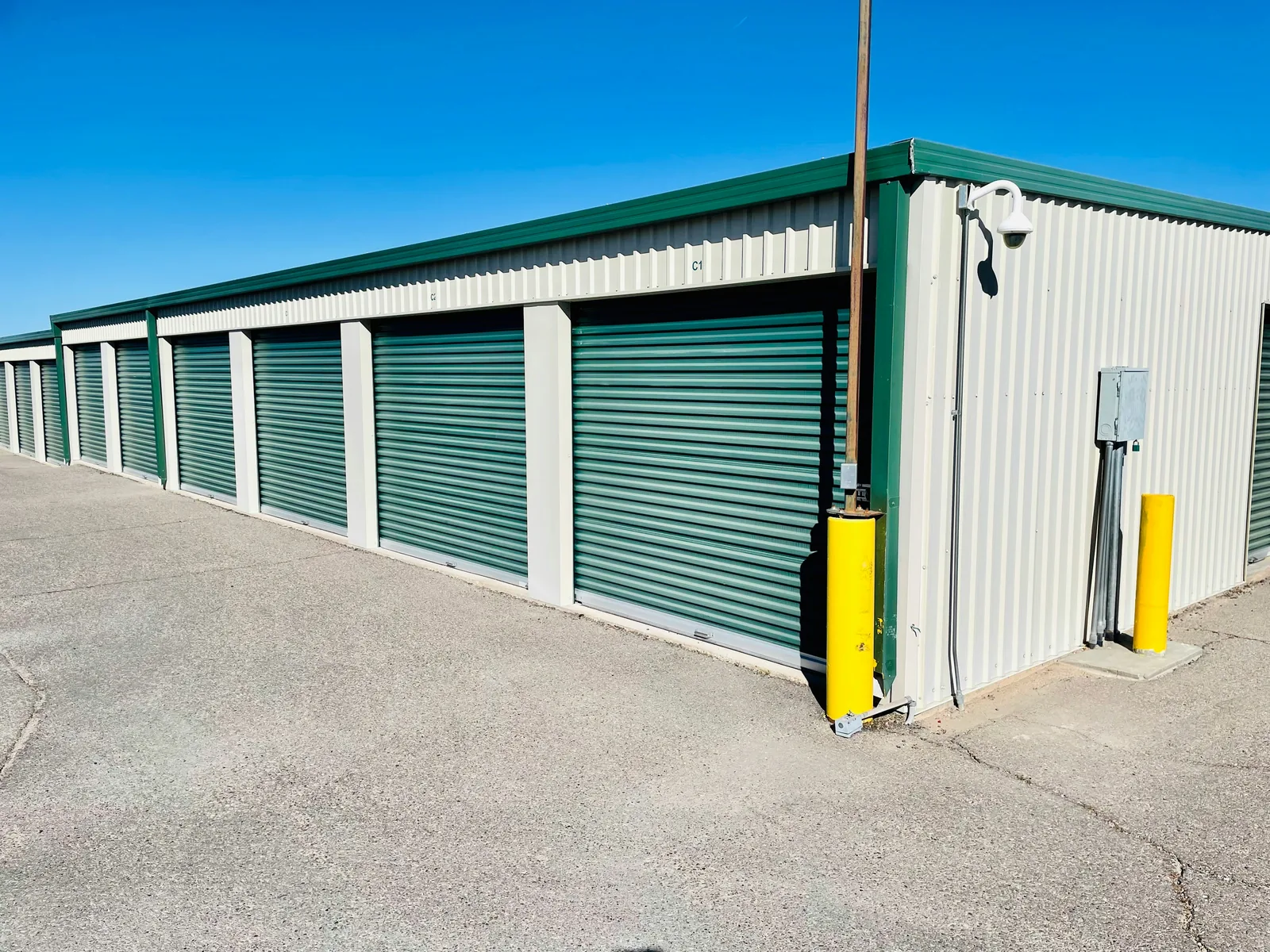
Storage container protected against moisture and condensation

Storage containers

Electric vehicle charging station with anti-moisture protection

EV charging stations

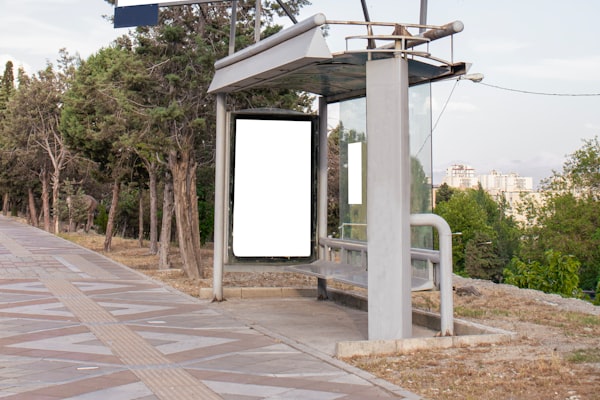
Connected street furniture with electronics protected from condensation

Street furniture

Automatic barrier with control box protected from moisture

Automatic barriers

Telecom shelter with network equipment protected against condensation

Telecom shelters

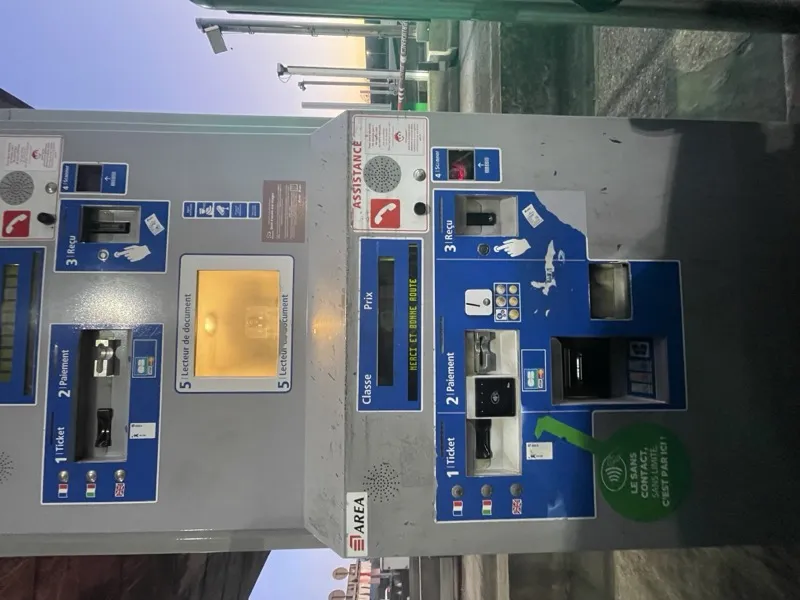
Outdoor automatic payment terminal

Outdoor payment terminals

Your application?

Contact us

Evidence

What results does the AS-C achieve in testing?

Critical electronics, large volumes

Shelters and large sealed volumes
Sector Critical electronics, large volumes
Application Shelters and large sealed volumes
Validation ✓ Validated by the engineering team

Large sealed volumes housing critical electronics, with fire and smoke qualification required on any added material. No condensation on the equipped side while the control box exceeds 100 % RH, performance validated at both 160 and 300 cm², and smoke and flammability tests passed at an independent laboratory.

See the full case →

Electric vehicle charging stations

95 L IP65 station
Sector Electric vehicle charging stations
Application 95 L IP65 station
Validation ✓ Validated by the engineering team

An 85-day field study in mid-winter on three 95 L IP65 stations from the same fleet, 24,385 aligned measurements. Time spent in the condensation zone is divided by 2.6, internal humidity variability by 3, and correlation with the outside falls to 0.02. No power, no maintenance.

See the full case →

Self-storage and containers

Storage units and containers
Sector Self-storage and containers
Application Storage units and containers
Validation ✓ Deployed

Self-storage units and containers, unheated and unventilated, where salt absorbers are consumables to be replaced continuously. Pilots converted into repeat orders site after site: the solution is in routine operation at French operators, across dozens of sites.

See the full case →

Shipping containers

Uninsulated 10-foot container
Sector Shipping containers
Application Uninsulated 10-foot container
Validation ✓ Validated by the engineering team

Two identical uninsulated 10-foot containers, instrumented and compared after three days of empty calibration. The equipped container stays below 80 % RH while the control suffers "container rain". Strip left in place for close to a year with no loss of performance.

See the full case →

← Swipe to see all tests →

Principle

How the AS-C protects your equipment

1

Adsorption

When relative humidity exceeds ~60%, the mesoporous material captures water vapor through capillary condensation.

2

Regulation

Internal humidity is maintained below the condensation threshold. Components remain protected.

3

Regeneration

When the air dries out, the material naturally releases the adsorbed water. The cycle repeats indefinitely.

The problem

Why an enclosed space is not safe from humidity

During the day

The outside temperature heats the enclosure. Internal pressure increases and air escapes.

At night

Cooling reduces internal pressure. Humid outside air enters the enclosure.

Over time

Moisture accumulates. Condensation corrodes electronic components.

Large enclosed spaces — electrical cabinets, storage containers, EV charging stations, technical street furniture — are never perfectly airtight against water vapor. Temperature variations between day and night create a thermal breathing phenomenon: hot air escapes during the day, then humid outside air enters at night. Over successive cycles, internal relative humidity gradually increases until reaching the dew point, causing condensation on walls and internal components. This condensation leads to corrosion, leakage currents, degradation of stored materials and fungal growth. Conventional solutions such as silica gel saturate within a few months and must be replaced regularly, generating recurring costs and waste. The AS-C tape solves this problem by adsorbing excess water vapor and regenerating spontaneously at ambient temperature, without intervention or energy.

Technical data

What are the AS-C technical specifications?

×8

vs silica gel — risk zone (60-90% RH)

60%

RH threshold

IP65+

compatibility

0 W

power consumption

∞

lifespan

REACH

Material Mesoporous alumina (SRD)
Principle Capillary condensation — adsorption/desorption
Adsorption capacity 8x useful capacity vs standard silica gel (60-90% RH)
Activation threshold ~60% relative humidity
Regeneration Spontaneous at room temperature
Energy required None (0 W)
Maintenance None
Lifespan Unlimited
Format Self-adhesive tape
Mounting Sticks directly onto internal wall
Patent Filed May 2021
Thickness ± 1 mm
Operating temperature -20°C to +70°C
Compliance REACH — certificate available on request

See all detailed comparisons by scenario →

Sizing

Which SRD range for your volume?

Enter the air volume: the calculator routes you to the right range (AS-B or AS-C stickers) and the matching pack.

Which range for which volume?

🧮 Calculator

Select the range above, then enter the volume: the calculator estimates the number of stickers and the pack.

Enter your parameters and click Calculate.

Comparison

Which solution for your IP65+ enclosures?

5 approaches exist to fight condensation in sealed enclosures. The AS-C Sticker is the only passive, self-regenerating and maintenance-free solution.

Scroll the table horizontally →

Criterion
Silica gel
AS-C Sticker (So Sponge)
Desiccant sticker (DesiMax, etc.)
Breather vent (GORE, AGM)
Heating element
Absorbs moisture ✓ ✓ ×8 risk zone ✓ ✗ evaporates
Self-regenerating ✗ ✓ ✗ n/a n/a
Zero energy ✓ ✓ ✓ ✓ ✗
Zero maintenance ✗
replacement
✓ ✗
single-use
✓ ✗
monitoring
Lifespan ~6 months Unlimited ~6 months 3-5 years 5-10 years
Integration Loose sachet Adhesive sticker Adhesive sticker Enclosure drilling Wiring
Total cost (TCO) High
recurring
Low
one-time installation
High
recurring
Moderate Very high
energy + install

Got your sizing? Order online or request a volume quote.

Simple

How to install the AS-C?

1

Select

Choose the number of strips suited to the volume of your enclosed space.

2

Apply

Stick the pre-adhesive strips onto the internal surfaces of the enclosed space.

3

Forget

The AS-C Sticker operates autonomously. Zero maintenance.

Installation time: < 1 minute · Tools required: none

Eco-design

A structural sustainability advantage

Over 5 years, the AS-C Ribbon replaces a recurring consumable (calcium chloride) with a permanent passive solution — a direct lever for your eco-design and ESG objectives. Figures based on a storage container equivalent (~33 m³).

Calcium chloride (moisture-absorber tub)

Lifespan
~3 months
Consumable per cycle
~2 kg
Replacements over 5 yrs
~20 cycles
Waste / installation / 5 yrs
~40 kg
Reverse logistics
Tub + brine disposal
Maintenance
Quarterly intervention
Self-regenerating

AS-C Ribbon (So Sponge)

Lifespan
5+ years
Material installed
~800 g (permanent)
Replacements over 5 yrs
0
Waste / installation / 5 yrs
0 kg
Reverse logistics
None
Maintenance
None

Across 100 installations equipped, ~4 tonnes of chloride avoided over 5 years, with no quarterly intervention or brine handling.

Assumptions: ~33 m³ installation, 2 kg tub replaced every 3 months, AS-C ribbon 4 m² (~800 g alumina) over 5 years. Learn more about our sustainability approach →

So Sponge Team · Last updated March 23, 2026

Documents

Frequently asked questions

What is the AS-C anti-condensation tape?

The AS-C tape is an anti-condensation product from the AirSponge Enclosures range, designed for larger volume enclosed spaces. Based on the same mesoporous SRD (Self-Regenerating Desiccant) material patented by So Sponge, it adsorbs water vapor through capillary condensation when relative humidity exceeds approximately 60%, then spontaneously regenerates at room temperature. It operates without energy, without consumables and without maintenance.

What is the difference between the AS-B and the AS-C?

The AS-B and AS-C use the same patented mesoporous SRD material. The AS-B comes as stickers for small volume enclosures (up to 100 L). The AS-C comes as pre-adhesive strips of 2 m × 8 cm, sized for large volume enclosed spaces (> 1 m³) such as electrical cabinets, containers and street furniture.

How to install the AS-C tape?

Installing the AS-C tape is simple and requires no tools. Choose the number of strips suited to the volume of your enclosed space, stick the pre-adhesive strips onto the internal surfaces, and the tape operates autonomously without any maintenance.

Does the AS-C require replacement?

No. Thanks to the spontaneous regeneration of the SRD material, the AS-C tape never saturates and maintains its effectiveness indefinitely. Its lifespan is unlimited, it produces no waste and requires no maintenance.

What results has the AS-C achieved in field testing?

During a test conducted in partnership with NEXTENEO in electric vehicle charging stations in an outdoor environment, the AS-C tape maintained indoor humidity below 80% continuously for nearly a year, preventing internal condensation. No performance degradation was observed throughout the entire test duration.

Is the product UL qualified?

AirSponge is not yet UL Recognized at this stage. However, we can provide material data sheets, test results, and consider a UL submission if volume justifies it.

What is the environmental impact of the AS-C tape?

The AS-C tape is a zero-consumable, zero-collection-logistics and zero-replacement solution. Unlike calcium chloride tubs, which generate dozens of kilograms of waste (salt + corrosive brine) per installation over their lifetime, the AS-C stays in place for the full lifetime of the installation. A direct lever for your eco-design and ESG objectives. Learn more about our sustainability approach →

Ready to protect your equipment?

Request free samples or a custom quote.