How does condensation occur? Causes and examples
Condensation happens when relative humidity reaches 100%, stemming from two primary sources: temperature fluctuations and water evaporation into the air. If you first need the definition, start with what is condensation. This physical phenomenon is very common, particularly in humid zones, poorly ventilated homes, or locations subject to significant thermal variations. New to the concept? Start with our primer on what is condensation.
1. Temperature variations, a key factor in condensation
Air’s capacity to hold water vapor depends directly on temperature. Warmer air contains more moisture; cooler air holds less. When temperature drops in already-saturated air, condensation forms.
a. Condensation due to day/night variations
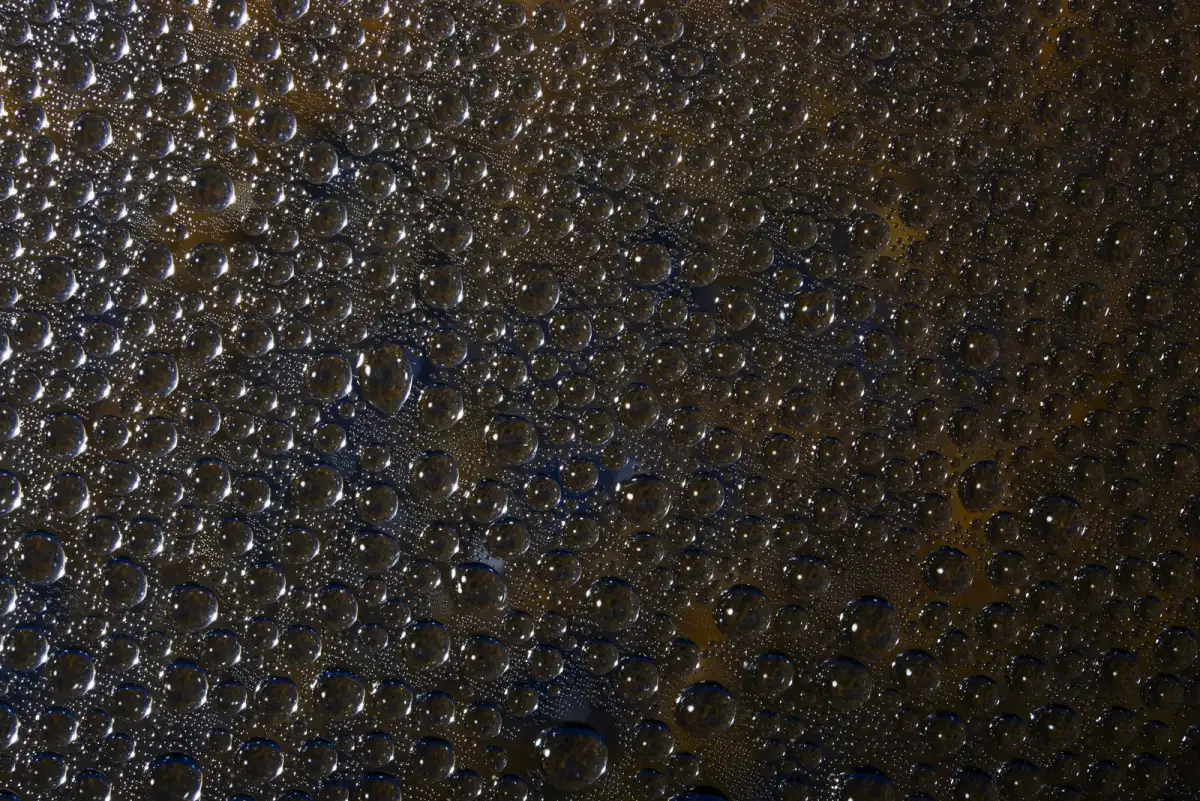
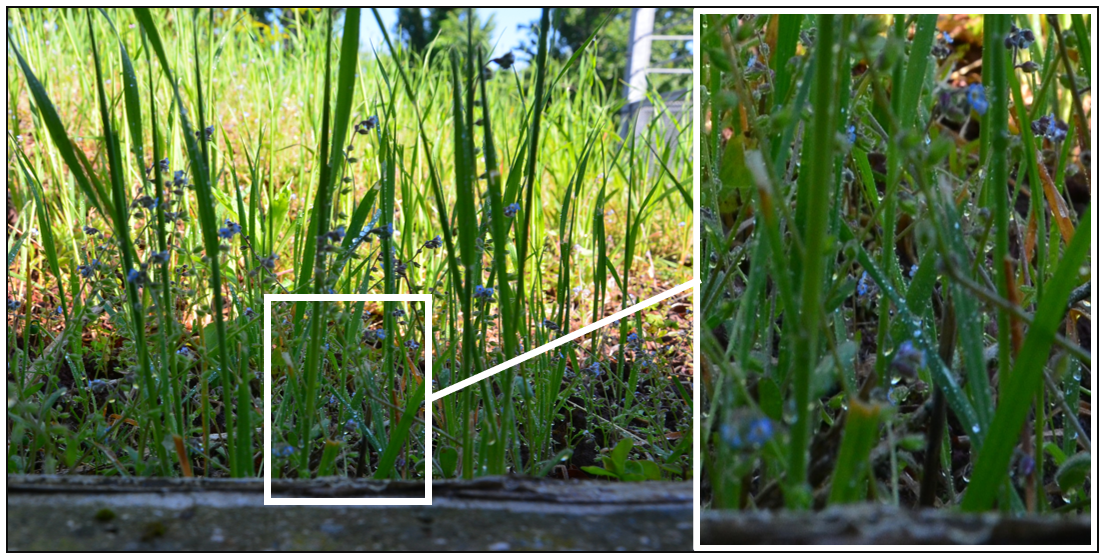
During daytime, rising temperatures increase the saturation threshold, lowering relative humidity. Nighttime cooling reverses this — the saturation threshold drops while relative humidity climbs. At 100%, condensation appears as dew, fog on windows, or droplets on cold surfaces.
This explains, for example, the fog on windows in the morning or on cars parked outside.
b. Cold spots: a localized cause
A cold spot is a surface whose temperature is lower than the surrounding air. Moisture present in the air will then condense at that exact location.
Common examples:
- Condensation on a window in winter
- Fogged eyeglasses entering a heated room
- Moisture on poorly insulated cold walls
This type of localized condensation can lead to bad odors and structural degradation over time.
2. Liquid water contributions to the environment
When liquid water evaporates in an enclosed environment, it raises ambient humidity until reaching a critical level. If ventilation is insufficient, condensation becomes inevitable.
a. Occasional humidity inputs
- Showers and baths
- Boiling pots on stovetops
- Indoor laundry drying
These inputs rapidly increase airborne humidity levels, especially without adequate ventilation.
b. Continuous humidity inputs
- Water infiltrations through walls
- Capillary rises from the ground
- Industrial or persistently humid environments
These situations create a permanently humid climate, promoting not only condensation but also the development of harmful agents and degradation.
3. How can condensation be prevented?
a. Improve ventilation
Regular airing or installing a mechanical ventilation system helps maintain proper ambient humidity and evacuate water vapor.
b. Use an absorber or dehumidifier
- Desiccant sachets or silica gel for small spaces
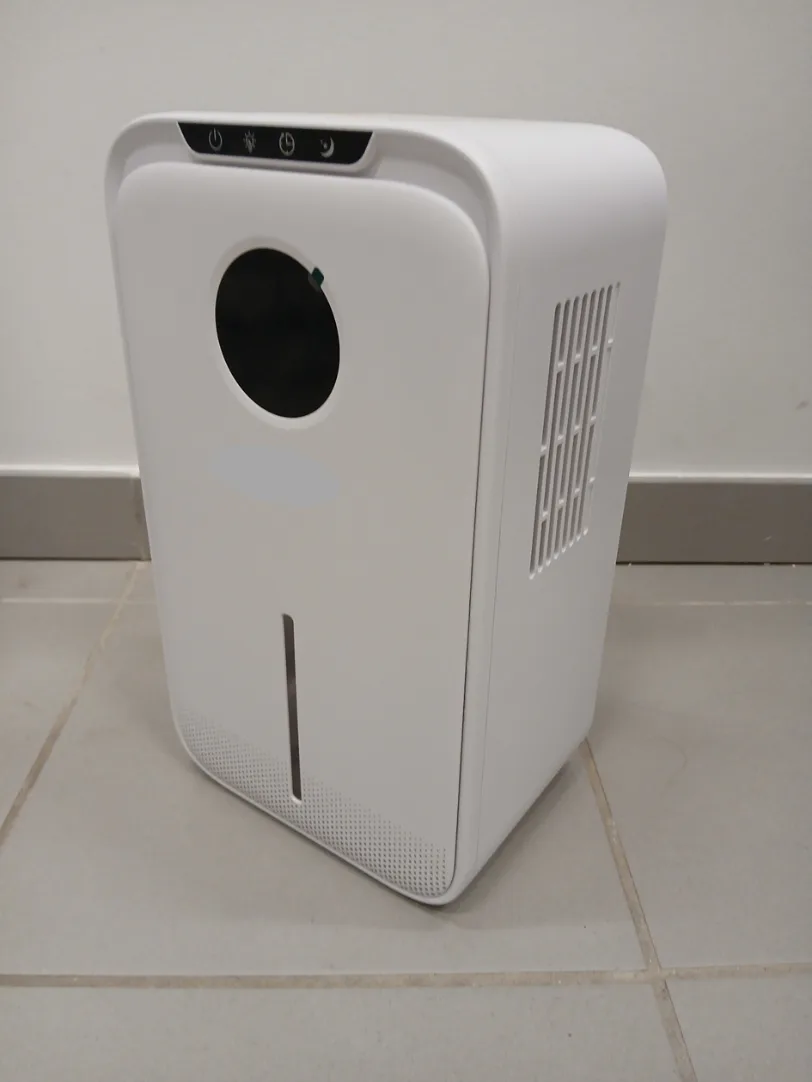
- Electric moisture absorbers for large rooms
c. Limit thermal bridges
- Reinforce wall insulation
- Limit thermal bridges at windows and doors
- Monitor surface temperatures
For sealed electrical boxes specifically, see our practical guide on preventing condensation in electrical enclosures — six methods compared with lab data.
4. Things to remember about condensation
- Condensation is linked to 100% relative humidity
- It appears through air cooling or excessive evaporation
- It manifests on cold walls, windows, ceilings, etc.
- It is preventable through good ventilation and insulation
So Sponge solution
Permanently stop condensation inside an IP enclosure
Classic desiccants saturate and must be replaced. So Sponge's SRD material regenerates spontaneously at room temperature: once installed, the AS-B sticker regulates internal humidity indefinitely, with no energy, no maintenance. Designed for IP65+ electronic enclosures.