Humidity: definition, causes and effects
Water exists in three states: gaseous (steam), liquid, or solid (ice). In ambient air, it manifests as water vapor, at varying concentrations. This is what we call humidity in the air, a central concept in many fields: construction, meteorology, wellness, etc.
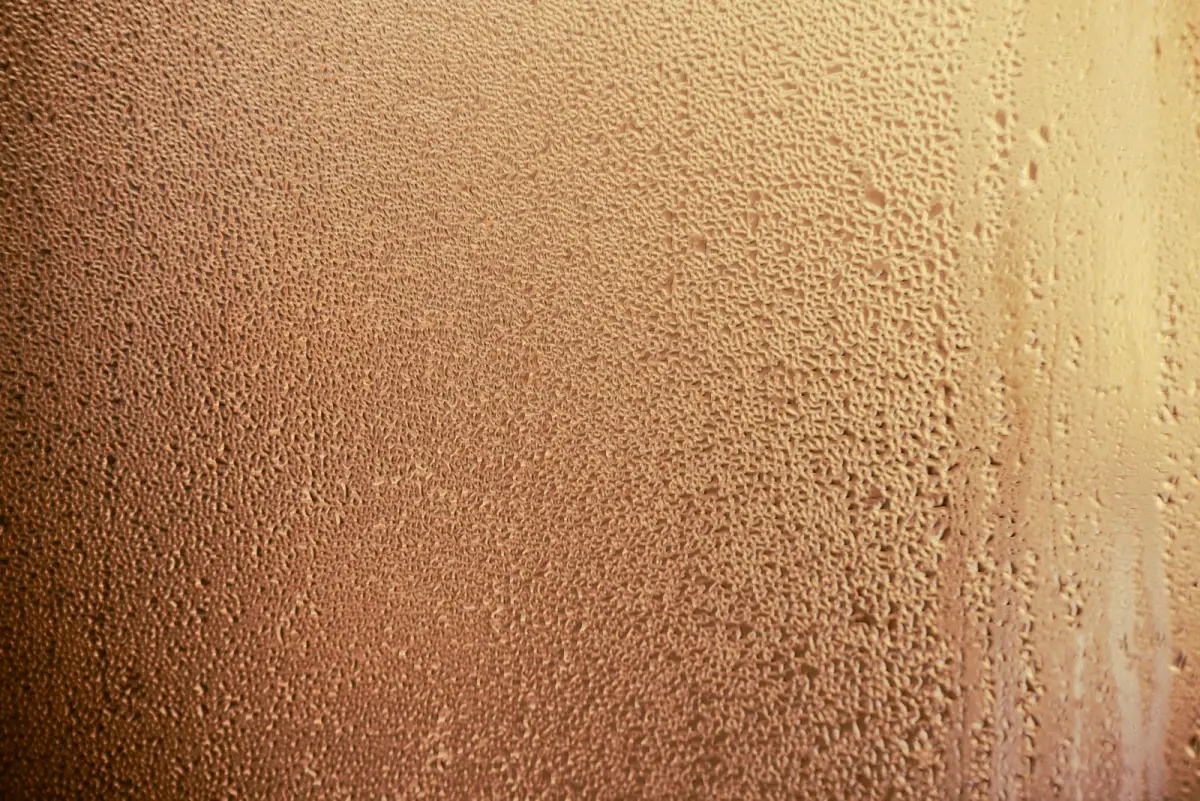
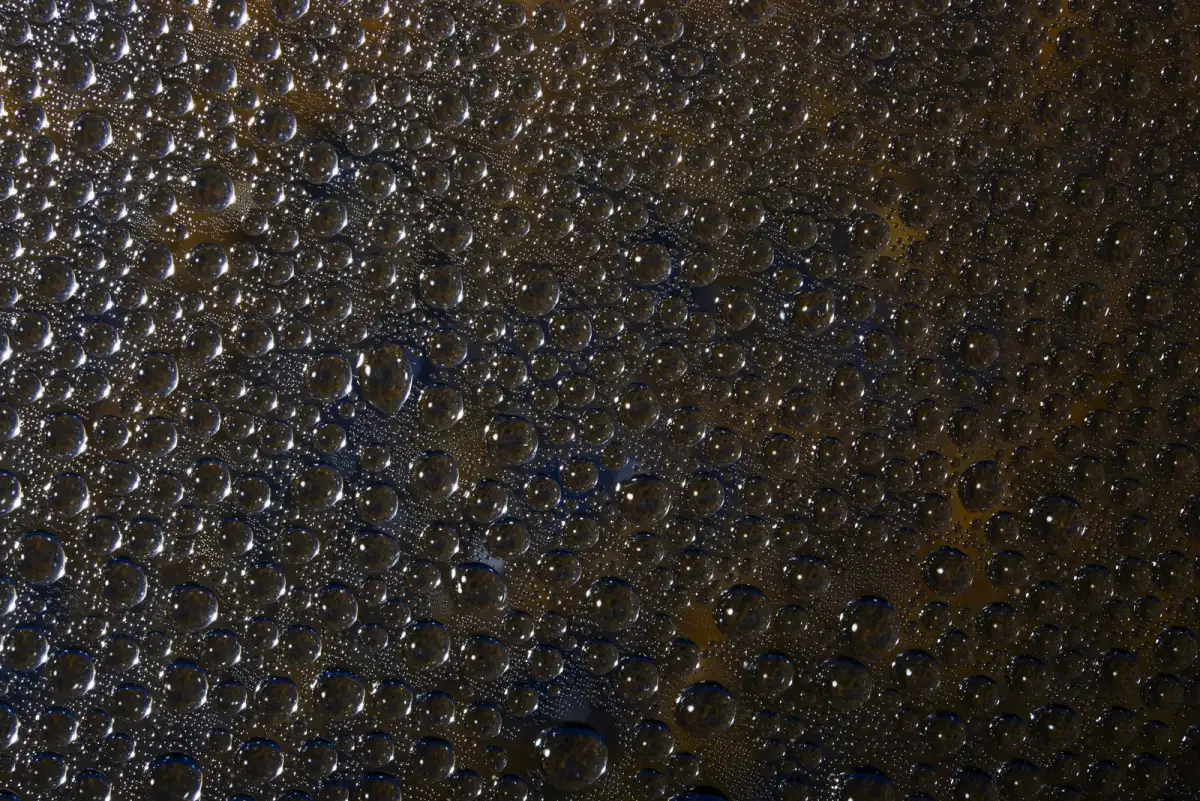
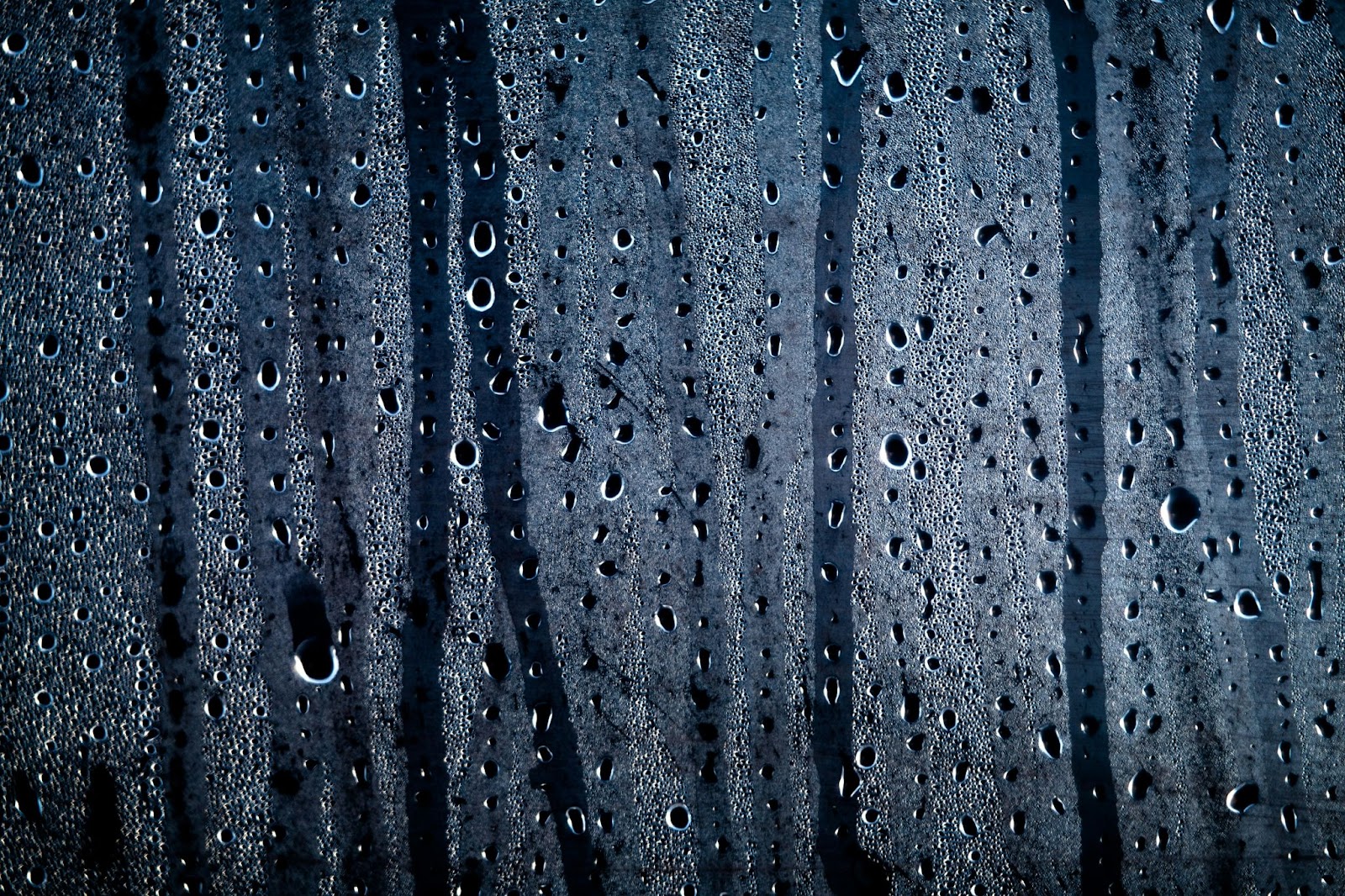
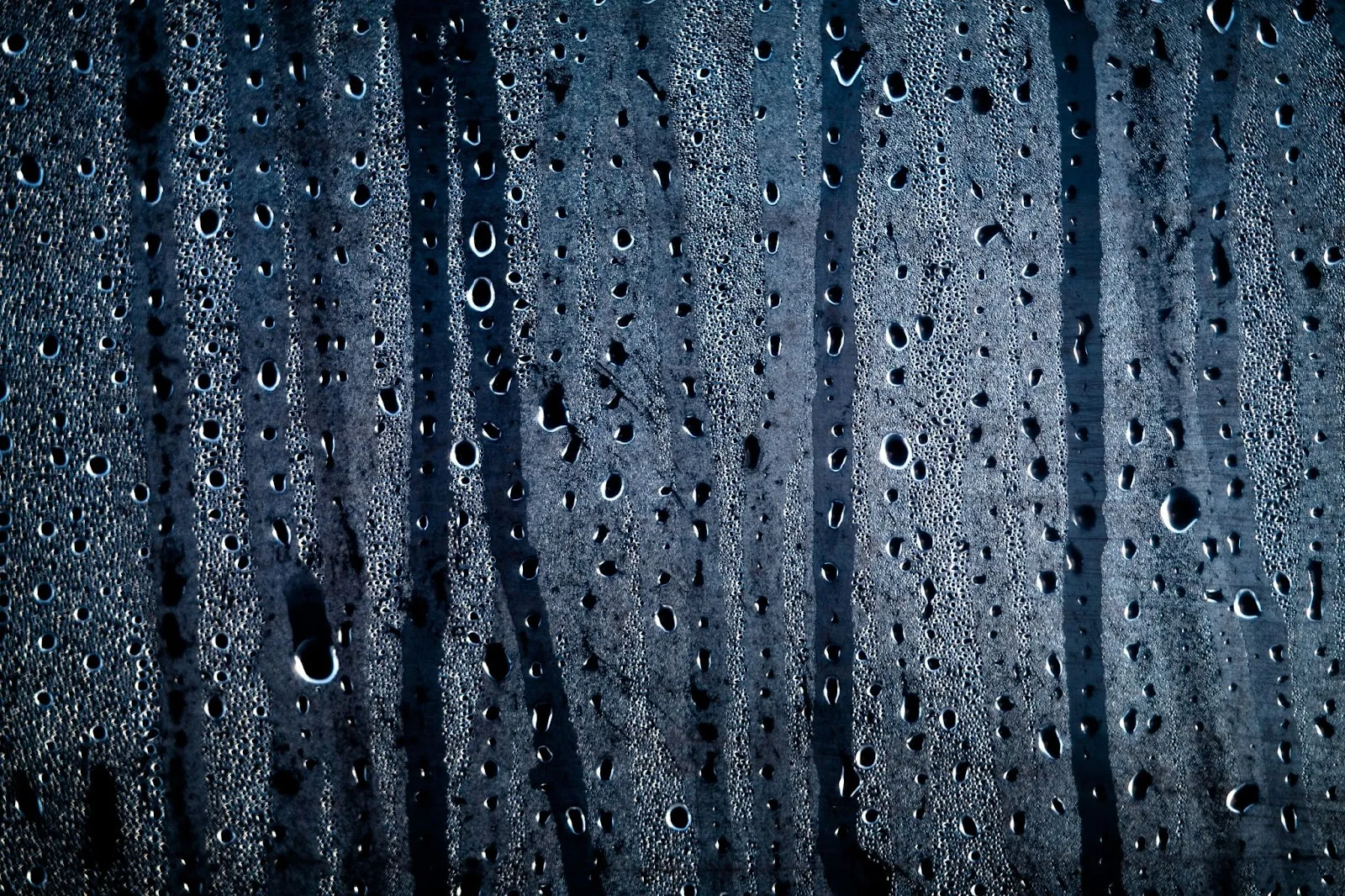
When the vapor concentration reaches a maximum threshold (called the saturation point), it transforms into liquid water. This is what we call condensation. This phenomenon is at the origin of many humidity problems in buildings.
Relative and absolute humidity: what is the difference?
Relative humidity is expressed as a percentage: it indicates the quantity of water vapor present in the air compared to the maximum quantity that the air can contain at a given temperature.
Absolute humidity measures the actual quantity of water vapor (in grams per m3). These two indicators are complementary and help better understand the humidity level in an environment.
Example: at 20 degrees C, if the air contains 10 g/m3 of water vapor and can contain a maximum of 20 g/m3, the relative humidity is 50%.
Condensation and visible humidity: what are the consequences?
When water vapor condenses, it forms liquid water on cold surfaces: windows, walls, ceilings. This can generate:
- Humidity traces and degradation
- Material deterioration
- An unhealthy environment
This is often the phenomenon that we call “humidity” in everyday language.
How to detect and measure humidity?
Humidity can be invisible but have significant consequences. Here are some tools to measure it:
- Humidity meter or professional humidity tester
- Humidity sensors integrated into buildings or weather stations
- Humidity monitoring device to monitor ambient humidity
When in doubt, it is recommended to measure the humidity level to avoid structural damage.
How to prevent humidity and condensation?
To prevent the effects of humidity, several solutions exist:
- Regular ventilation of rooms
- Effective thermal insulation
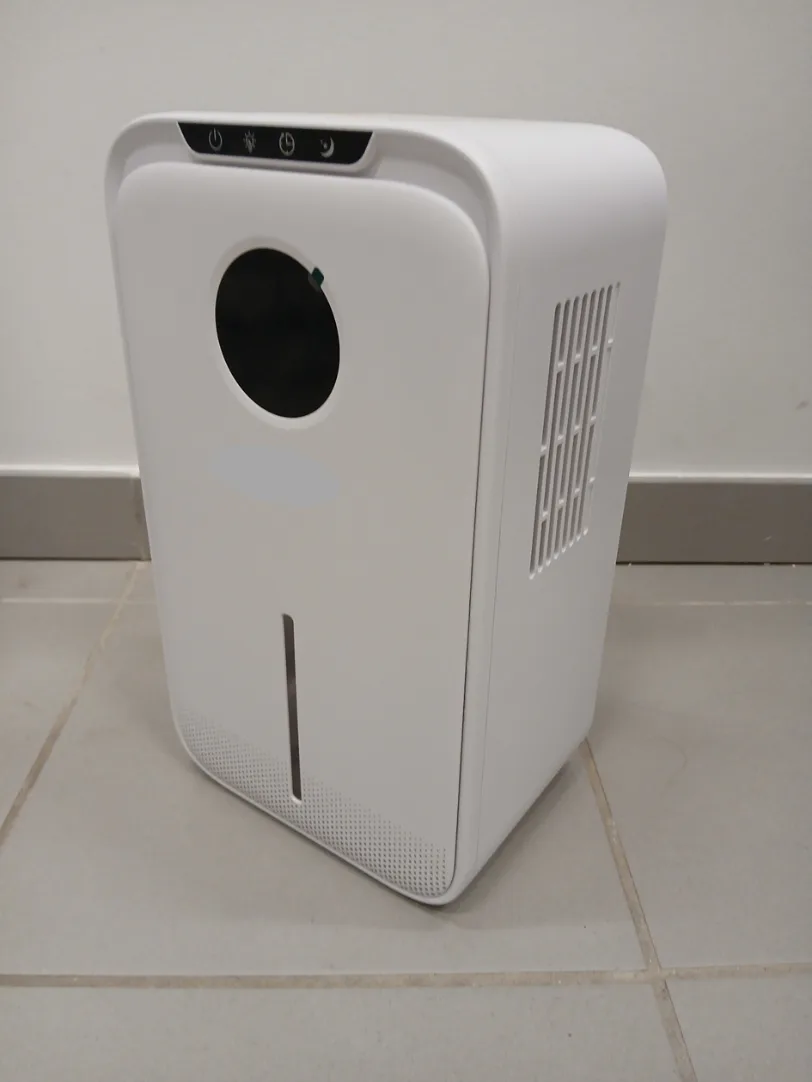
- Use of a dehumidifier or a moisture absorber
- Application of desiccant sachets (silica gel, etc.)
In case of recurring condensation, it may be useful to calculate the dew point to better anticipate risks.
In summary: what to remember
- Humidity is the presence of water vapor in the air.
- It can become liquid through condensation.
- It is measured in relative or absolute terms.
- It has visible consequences in buildings.
- There are solutions to control humidity effectively.