What is silica? Definition, uses and dangers
Silica, also called silicon dioxide (SiO2), is a chemical compound found everywhere in nature: in sand, rocks, glass, and also in certain everyday products like dehumidifier bags.
There are two main types of silica: crystalline silica, which is non-porous, and amorphous silica, better known as silica gel.
Crystalline silica: natural but non-porous
Crystalline silica features perfectly ordered silicon and oxygen atoms. It appears naturally in sand, quartz, and certain stones.
This structure gives it great stability but no porosity, making it useless for humidity control.
Amorphous silica (silica gel): porous and absorbent
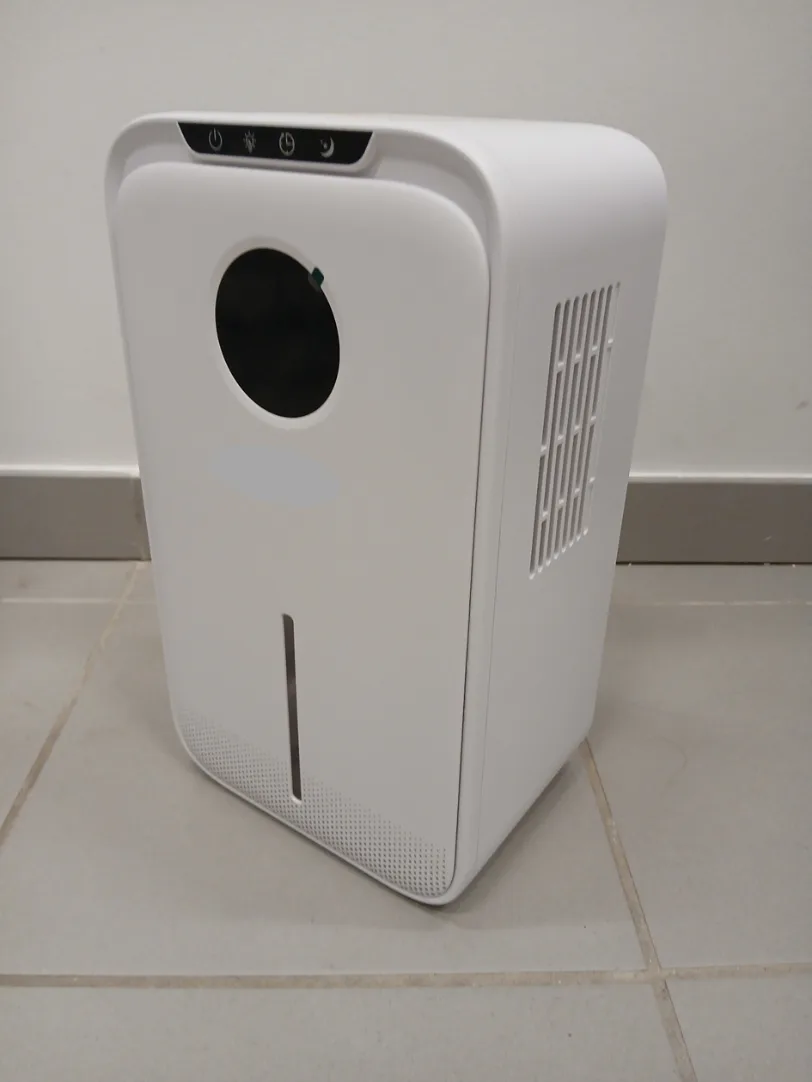
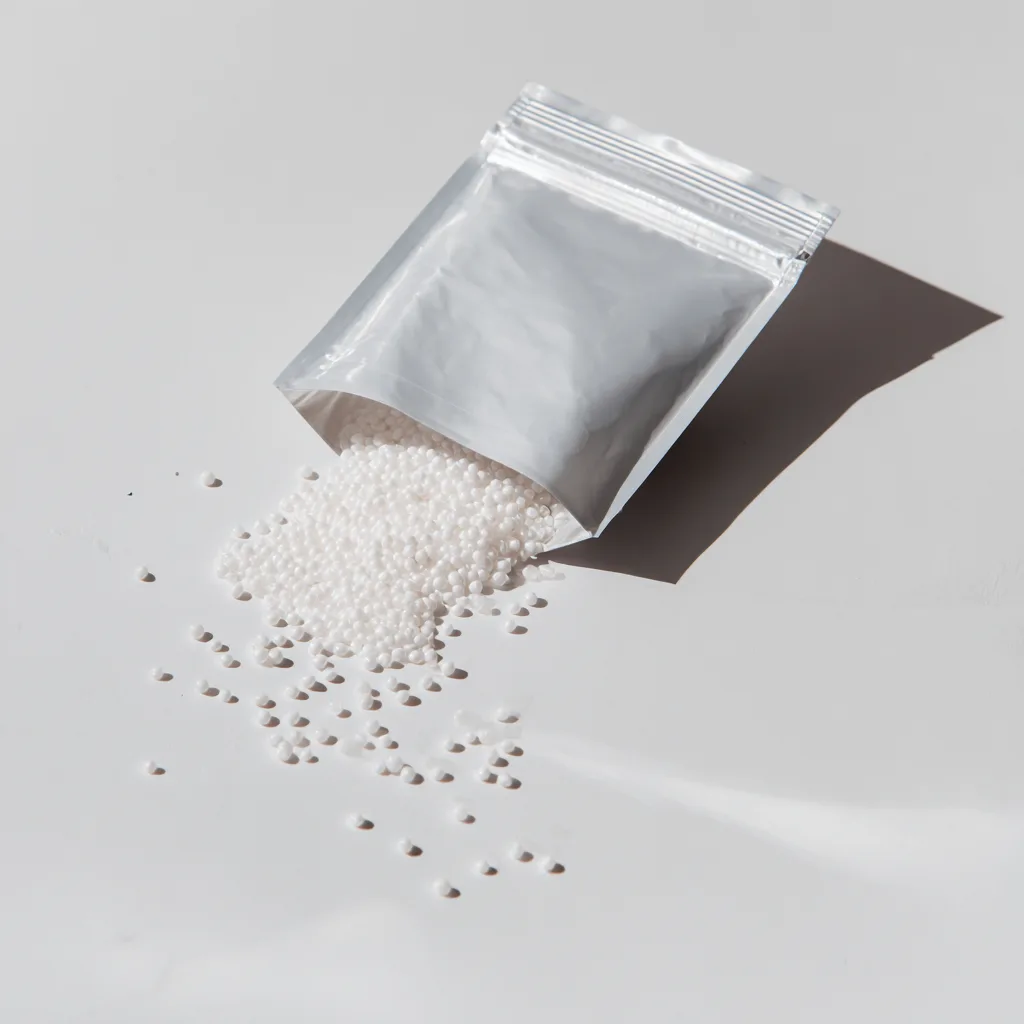
Amorphous silica possesses a porous structure with micro-pores enabling water vapor absorption and ambient humidity regulation. This form commonly appears in dehumidifier bags found in packaging and shipping containers to prevent condensation damage.
Manufacturing methods influence pore size and adsorption capacity, affecting overall effectiveness.
Safety profile of silica
Porous amorphous silica is chemically neutral, non-toxic, and inert. Unlike the crystalline form, it is not classified as a carcinogen (IARC Group 3). It does not react with protected products or emit harmful substances, making it suitable for sensitive storage including electronic components, archives, and textiles. It functions effectively as an ideal humidity controller in confined spaces.
Health risks: crystalline silica dust
Powdered crystalline silica poses inhalation hazards. Fine particles entering the lungs can cause silicosis, a chronic lung condition. Crystalline silica is also classified as a Group 1 human carcinogen by the IARC (IARC monograph; OSHA, crystalline silica). This risk primarily affects professional environments (industry, construction, foundry) rather than users of amorphous silica desiccants.
Alternatives and innovations
Traditional silica desiccants require regular replacement and lack natural regeneration capabilities. Modern solutions like Air Sponge employ similar adsorption principles while offering ecological sustainability, naturally regulating humidity without energy or maintenance requirements.
Summary
Silica exists naturally in multiple forms with distinct properties. Its amorphous variety effectively controls humidity, while crystalline forms demand careful handling to avoid respiratory risks. Sustainable, safe solutions provide efficient storage protection without environmental waste concerns.
So Sponge solution
The self-regenerating silica gel alternative
The AS-B anti-condensation sticker uses an SRD (Self-Regenerating Desiccant) material that adsorbs water vapor above 60 % RH and regenerates spontaneously as the air dries. 6× the adsorption capacity of silica gel, unlimited lifespan, zero replacement, zero waste.
Sources
- IARC, Silica, Some Silicates… (monograph vol. 68) — crystalline silica is a Group 1 carcinogen; amorphous silica is Group 3 (not classifiable).
- OSHA, Crystalline Silica — silicosis and occupational exposure.