Anti-humidity boxes: are IP boxes waterproof?
An anti-humidity box is often associated with an IP65+ waterproof electrical box. But do these ratings really guarantee protection against air and water vapour entry?
This question is essential to prevent condensation in an electrical enclosure and ensure proper humidity control.
Are IP boxes airtight?
IP-classified devices follow the international standard IEC 60529, which defines levels of protection against:
- Solid body intrusion (dust)
- Liquid water penetration
This standard does not guarantee gas tightness. It therefore offers no protection against air or water vapour ingress. An IP-rated waterproof box may be protected against liquid water… while gradually allowing airborne moisture in.
Why is this a problem?
In an outdoor electrical box, ambient humidity can slowly penetrate.
If the temperature drops to the dew point, the following can occur:
- Condensation
- Component corrosion
- Connection degradation
- Electrical hazard
A simple waterproof junction box is therefore not always sufficient to guarantee protection against internal condensation.
Experimental protocol
To assess true air-tightness, we conducted a laboratory study.
Housings tested
- 1 IP65 waterproof housing
- 1 IP67 waterproof housing
These two types are commonly used as:
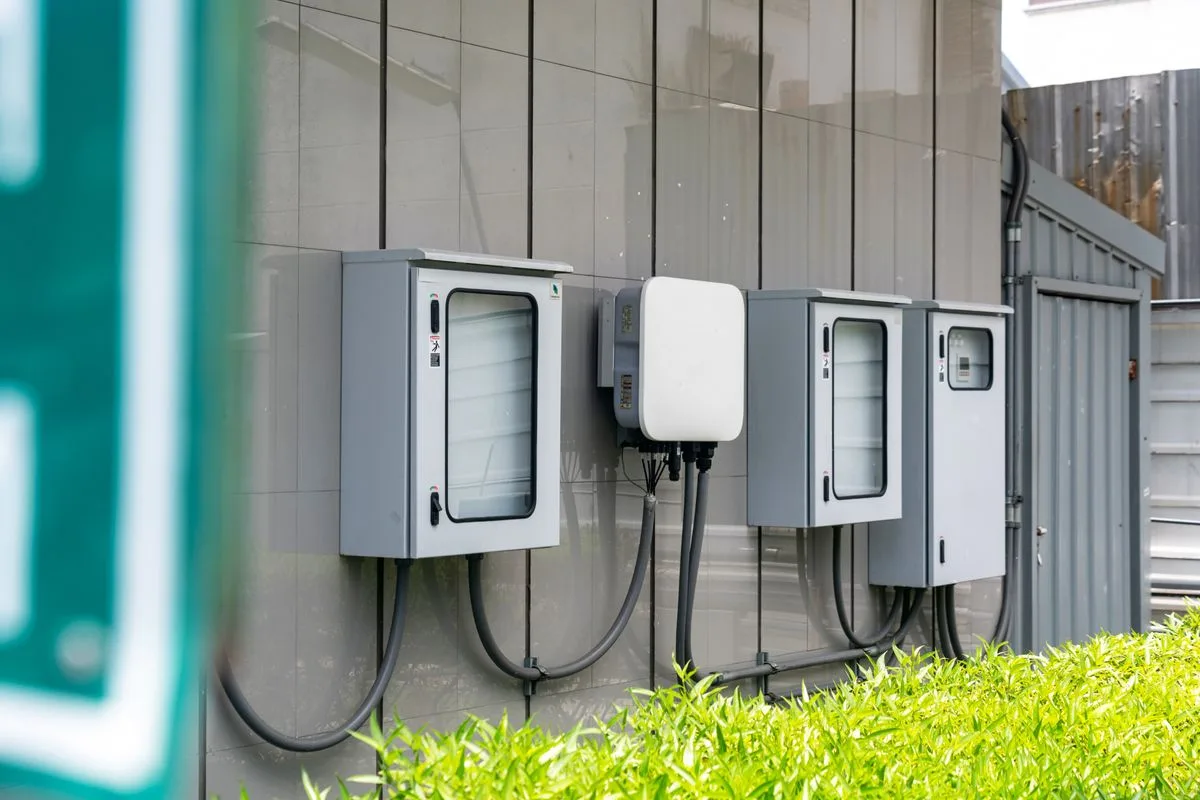
- Outdoor waterproof electrical boxes
- Electrical junction boxes
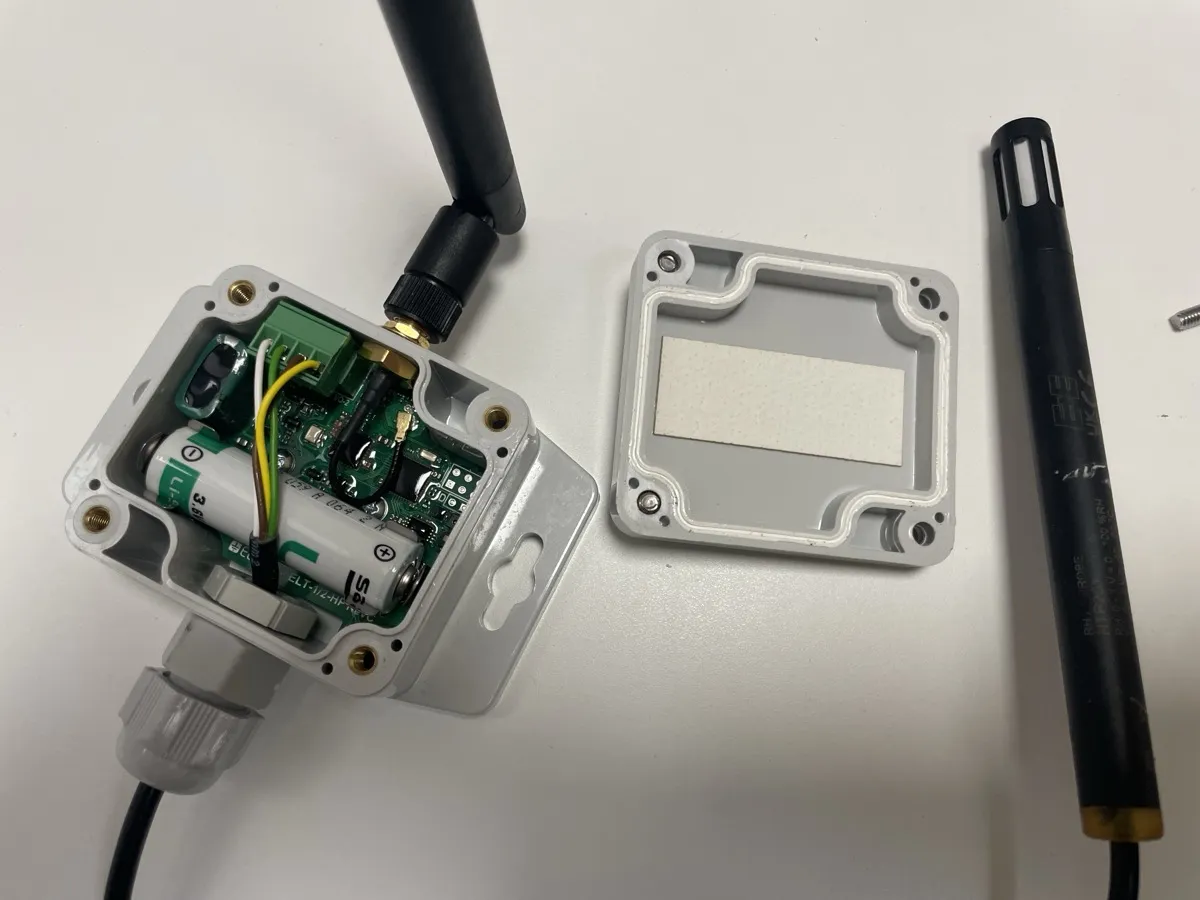
- Electronic sensor housings
- Network enclosures
- Charging stations
Methodology
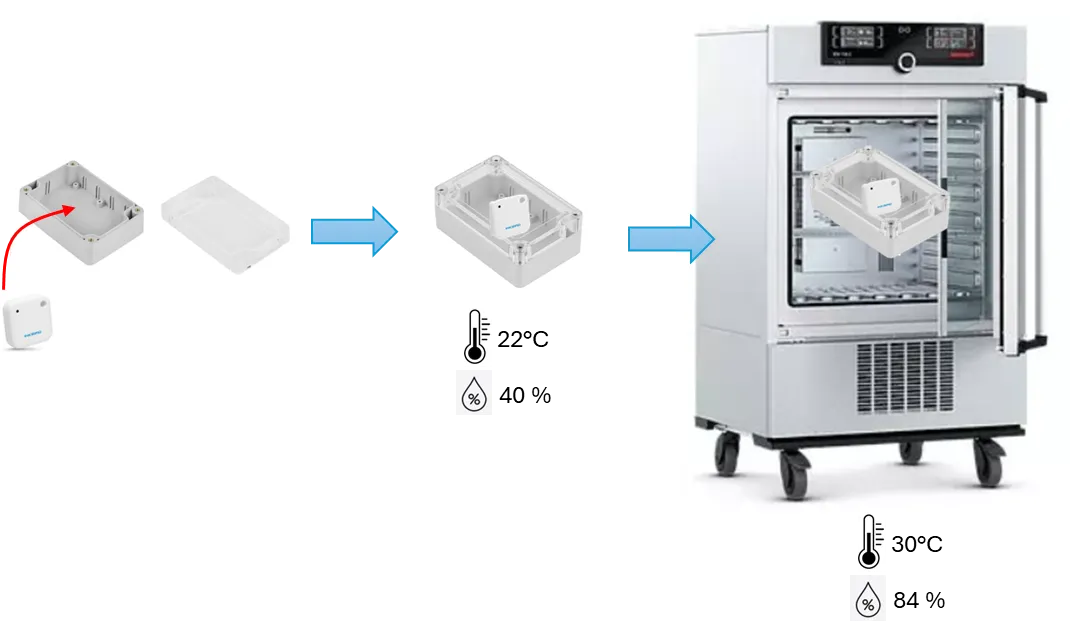
At ambient temperature (22°C, approximately 40% relative humidity):
- A humidity sensor is placed in each housing
- The housings are sealed
- They are then placed in a climate chamber at:
- 30°C
- 84% relative humidity
This setup enables observation of:
- Internal temperature evolution
- Relative humidity evolution
- Water vapour concentration
Results
Thermal evolution
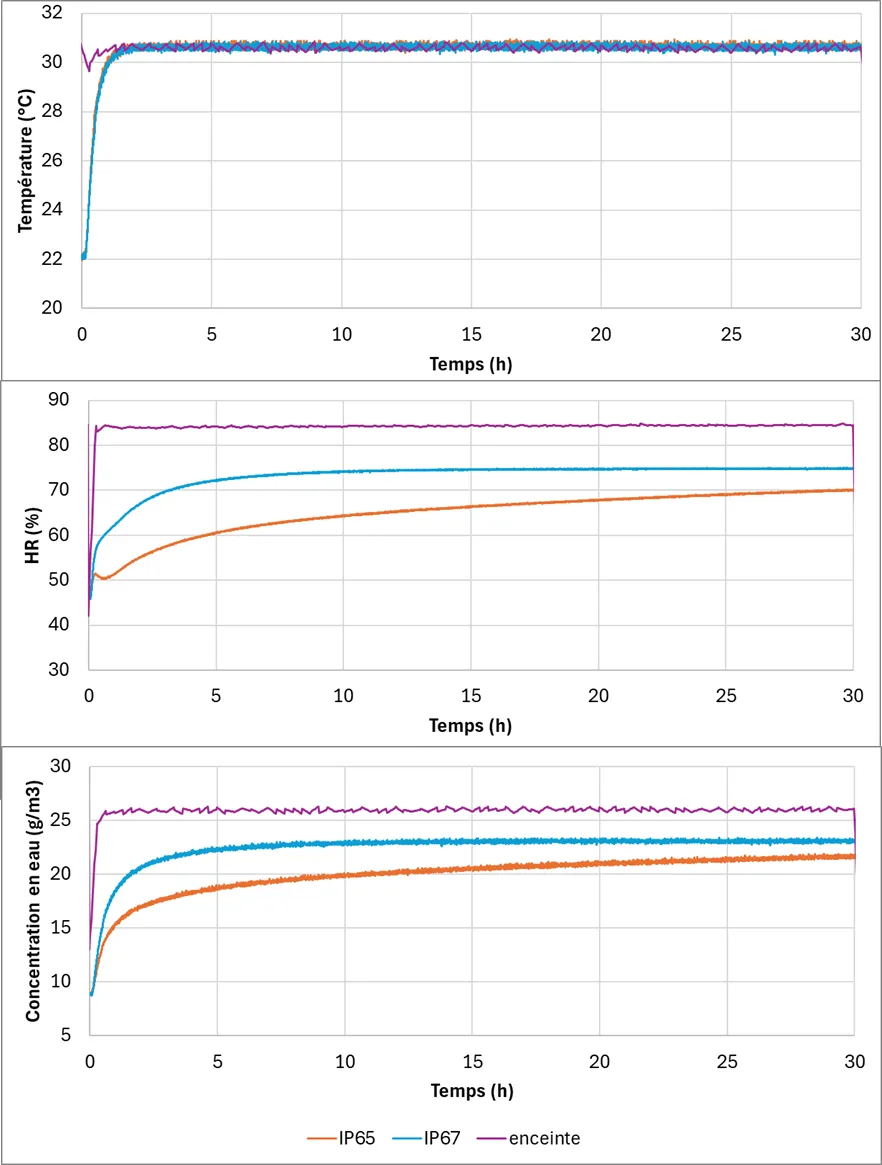
The internal temperature of the housings converges towards the chamber temperature.
Stabilisation time: approximately 1.6 hours (100 minutes).
This shows that the thermal inertia of waterproof electrical boxes is significant.
Humidity evolution
In both cases:
- Water concentration increases significantly
- Internal relative humidity rises
- Neither housing is airtight
Difference between IP65 and IP67
IP67 housing
- Rapid initial increase in water concentration
- Stabilisation after several hours
Interpretation: when the housing is heated, the internal air expands. This overpressure temporarily defeats the seals.
Air ingress appears mainly linked to temperature variations.
IP65 housing
- Continuous increase in water concentration
- Slower progression after thermal stabilisation
- No air-tightness even at constant temperature
This electrical box is therefore not hermetic to gas exchange.
An IP box is not an anti-humidity box
The tests show that:
- IP65 and IP67 housings are not airtight
- They gradually accumulate airborne moisture
- A risk of condensation in an electrical enclosure exists when cold spots occur
An anti-humidity box therefore requires:
- Either an active system (electric moisture absorber)
- Or a passive moisture absorber such as the So Sponge AS-B Tape
- Or a specific hygrometric control solution
The IP rating protects against liquid water and dust, but not against ambient humidity.
The AS-B Tape: passive protection against condensation
The AS-B Tape is a solution developed by So Sponge to durably protect:
- Waterproof electrical boxes
- Electrical junction boxes
- Outdoor electrical enclosures
- Sensitive electronic housings
A simple solution to integrate
The AS-B Tape comes in adhesive form:
- Quick installation
- No maintenance
- No drilling of the housing
- Compatible with IP-rated waterproof boxes
It transforms a simple outdoor waterproof electrical box into a solution truly optimised against internal moisture.
Protect your equipment durably
If your equipment is exposed to:
- Significant climate variations
- Humid environments
- Repeated thermal cycles
The AS-B Tape is an effective solution to limit electrical enclosure condensation and extend component lifespan.