IP65 vs IP67 vs IP66: which rating for outdoor electronics?
Choosing an enclosure for outdoor electronics almost always comes down to an IP rating: IP65, IP66, IP67. They look like a simple ladder where a bigger number is better — but they test different things, and a higher rating is not automatically the right choice. More importantly, none of them addresses the failure that actually kills outdoor electronics: internal condensation.
Here is what each rating really means, how to choose, and what an IP code can never do for you.
What the IP code actually means
IP stands for Ingress Protection, defined by the international standard IEC 60529. The two digits describe two separate things:
- First digit (0–6): protection against solids — dust and contact. A
6means dust-tight. - Second digit (0–9): protection against water — from dripping to full immersion.
So in IP65, the 6 means dust-tight and the 5 means protected against water jets. The first digit is identical (6, dust-tight) across IP65, IP66 and IP67 — only the water digit changes.
IP65 vs IP66 vs IP67 vs IP68: the real difference
| Rating | Dust | Water protection (2nd digit) | Typical use case |
|---|---|---|---|
| IP65 | Dust-tight | Low-pressure water jets from any direction | Outdoor boxes, rain, hose-down |
| IP66 | Dust-tight | Powerful water jets (higher pressure/volume) | Marine, heavy weather, washdown areas |
| IP67 | Dust-tight | Temporary immersion (up to 1 m, 30 min) | Flooding, temporary submersion |
| IP68 | Dust-tight | Continuous immersion beyond 1 m | Permanently submerged equipment |
The key subtlety: IP66 and IP67 are not a strict “better/worse” pair. IP66 is tested against sustained high-pressure jets; IP67 against static immersion. An enclosure can be rated one and not the other. For most outdoor electronics that face rain and wind-driven spray — not submersion — IP66 is often more relevant than IP67, even though 67 is a “bigger” number.
Which IP rating for outdoor electronics?
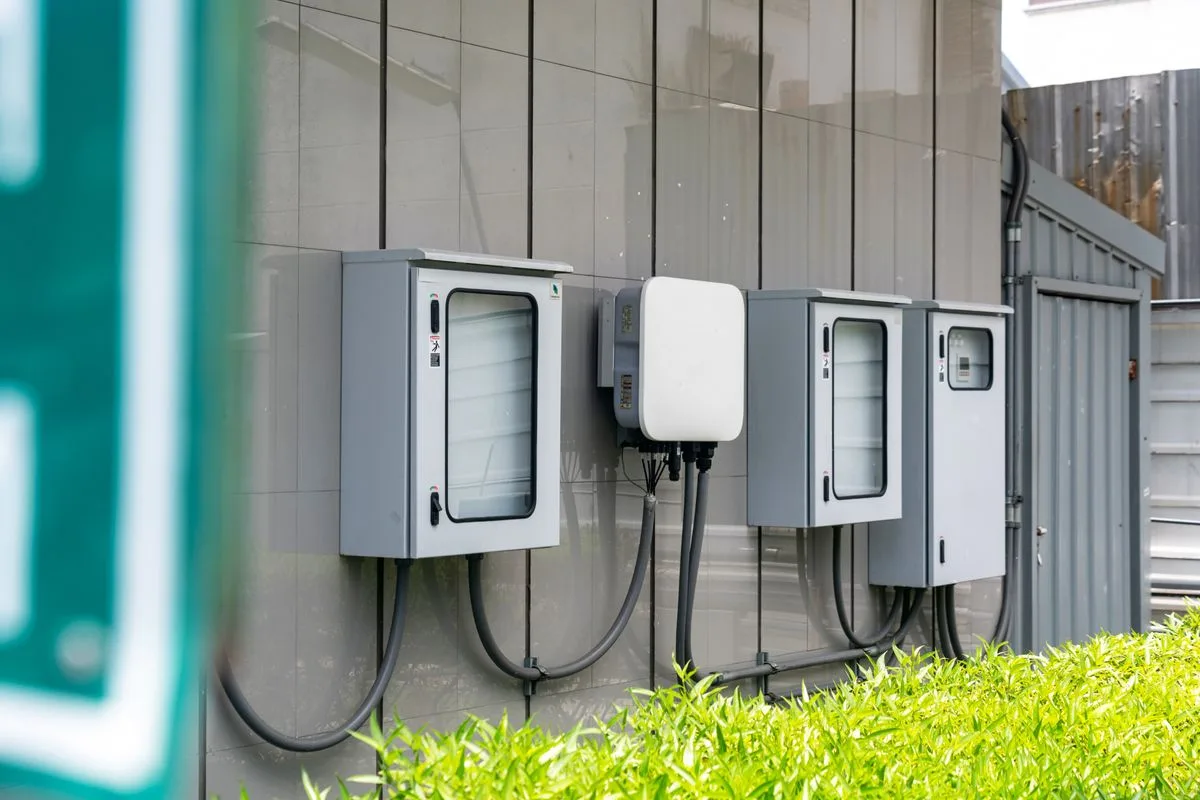
- IP65 — the practical baseline for most outdoor enclosures: cameras, sensors, IoT boxes, lighting exposed to rain and splashing.
- IP66 — step up when the equipment faces wind-driven rain, coastal spray, or high-pressure cleaning (transport, marine, industrial washdown).
- IP67/IP68 — only when actual immersion is a real risk (flood-prone sites, buried or underwater equipment). Over-specifying immersion ratings adds cost and sealing constraints you may not need.
The blind spot: an IP rating does not prevent condensation
Every IP rating describes protection against water and dust coming from the outside. None of them says anything about the water that forms on the inside — and that is the most common cause of corrosion and failure in sealed outdoor electronics.
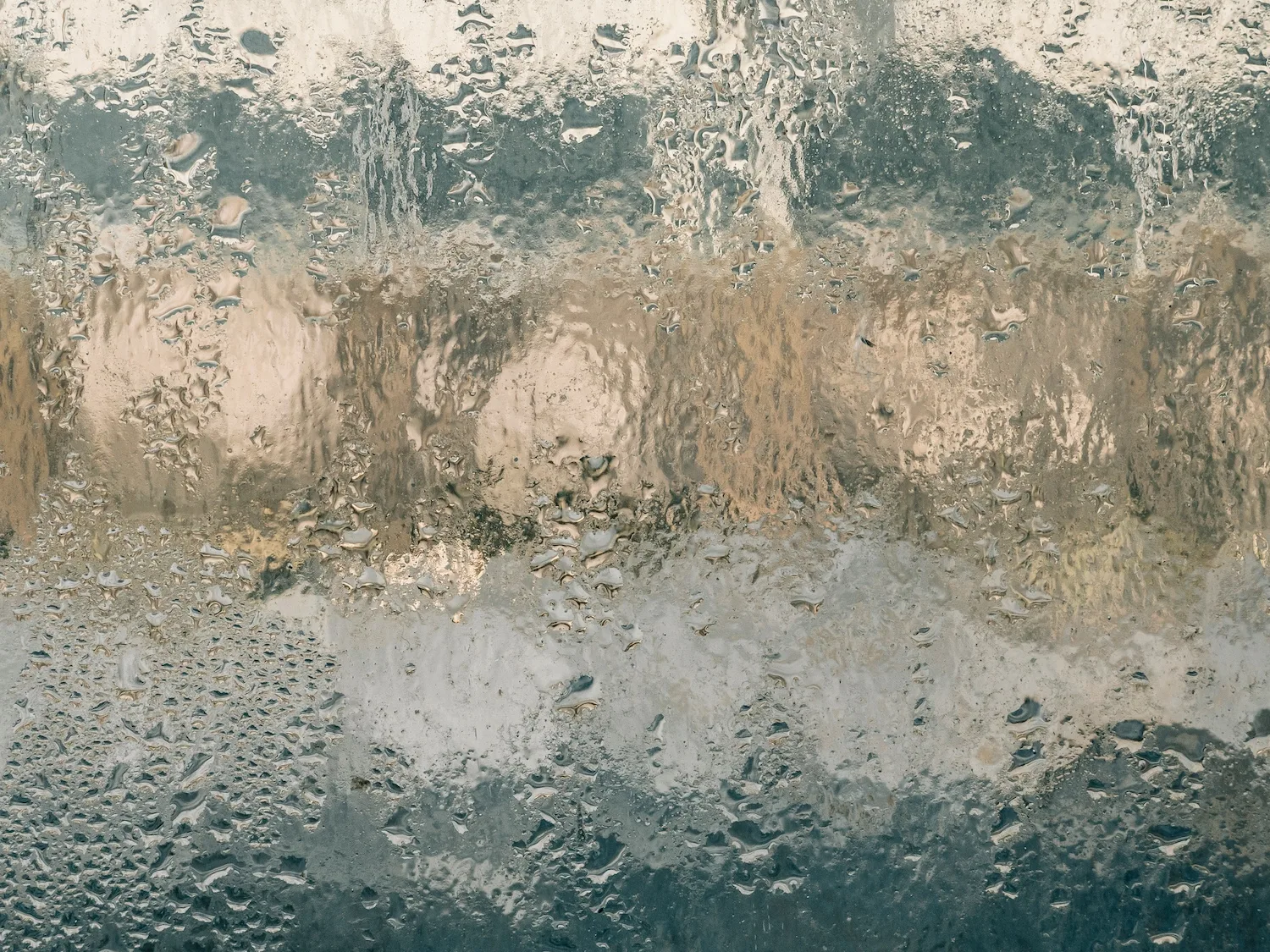
Here is the trap: a sealed enclosure still contains air, and that air contains water vapor. When the temperature drops at night, the internal surfaces reach the dew point and the vapor condenses into liquid water on your components. Worse, a higher IP rating can make this harder to manage: a more tightly sealed box traps humid air with no way out, so the trapped moisture has nowhere to go but onto the electronics.
This is confirmed in our climate-chamber test on IP66 enclosures: a perfectly sealed, high-IP enclosure still produced condensation on a cooling ramp. The IP rating was never the issue — the trapped internal humidity was.
A breather vent (Gore Vent) helps equalize pressure but, by design, lets water vapor through — so it does not solve condensation either.
How to stop condensation inside a sealed enclosure
To prevent internal condensation you have to remove the water vapor that is already inside the box. That is exactly what the AS-B sticker does: a self-regenerating mesoporous desiccant (SRD) that adsorbs internal humidity, keeps the air below its dew point, and releases the moisture again on its own when conditions allow — passively, at ambient temperature, with no maintenance.
| High IP rating alone | High IP rating + AS-B | |
|---|---|---|
| Keeps external water out | ✅ | ✅ |
| Manages internal humidity | ❌ | ✅ |
| Prevents internal condensation | ❌ | ✅ |
| Maintenance | None | None |
The right specification for outdoor electronics is therefore the correct IP rating for your exposure, plus an internal humidity control. The enclosure protects against the rain; the AS-B sticker protects against the condensation.
→ See AS-B sticker formats and pricing (XS to L) · Calculate the ROI on your fleet
Frequently asked questions
Is IP67 better than IP65? Not necessarily — it is different. IP67 protects against temporary immersion; IP65 against water jets. For equipment exposed to rain and spray (not submersion), IP65 or IP66 is usually the right choice. A higher second digit only matters if immersion is a real risk.
What is the difference between IP66 and IP67? IP66 is tested against powerful, sustained water jets; IP67 against static immersion up to 1 m for 30 minutes. They cover different scenarios, and an enclosure may hold one rating but not the other.
Does an IP65 enclosure stop condensation? No. An IP65 (or IP66/IP67) rating only blocks water and dust from entering from the outside. It does nothing about the water vapor already inside the sealed air, which condenses on cold surfaces. You need an internal desiccant such as the AS-B sticker.
What IP rating is fully waterproof? No rating is “fully waterproof” in every sense. IP68 (continuous immersion) is the highest standard tier, but even an IP68 enclosure can suffer internal condensation if its trapped air is humid.
Further reading
- Silica gel vs AS-B: lab test in IP electronics enclosures
- Gore Vent & breather vents: do they stop condensation?
- How to prevent condensation in electrical enclosures
- AS-B Sticker product page — XS/S/M/L formats
Sources
- IEC 60529 — Degrees of protection provided by enclosures (IP Code): definition of the two-digit ingress-protection rating for solids and liquids.